
First birding of 2022 in Malmö
My first birding of 2022 was to my local patch of Klagshamn. The combination of sunny, cloudless weather with mild wind (a rare combination in Malmö this time of year) made it an enjoyable outing, I wanted to stay out the entire day.
Happy new year! I hope you all had a pleasant continuation into the new year. A new year’s resolution I have is to blog about my birding in and around Malmö. I haven’t decided on a particularly frequency but I will try as often as time allows.
My first birding of 2022 was to my local patch of Klagshamn. The combination of sunny, cloudless weather with mild wind (a rare combination in Malmö this time of year) made it an enjoyable outing, I wanted to stay out the entire day.
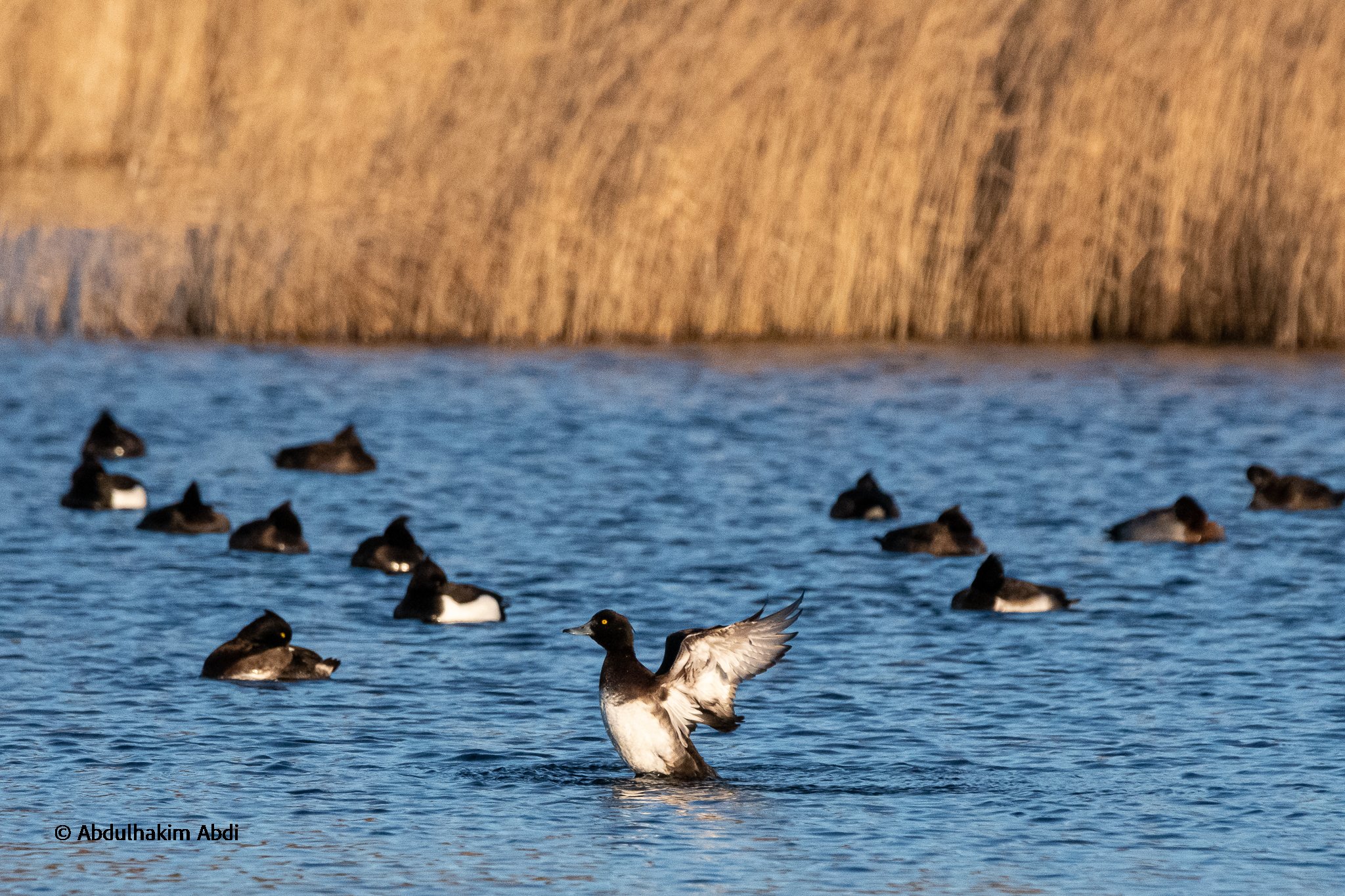
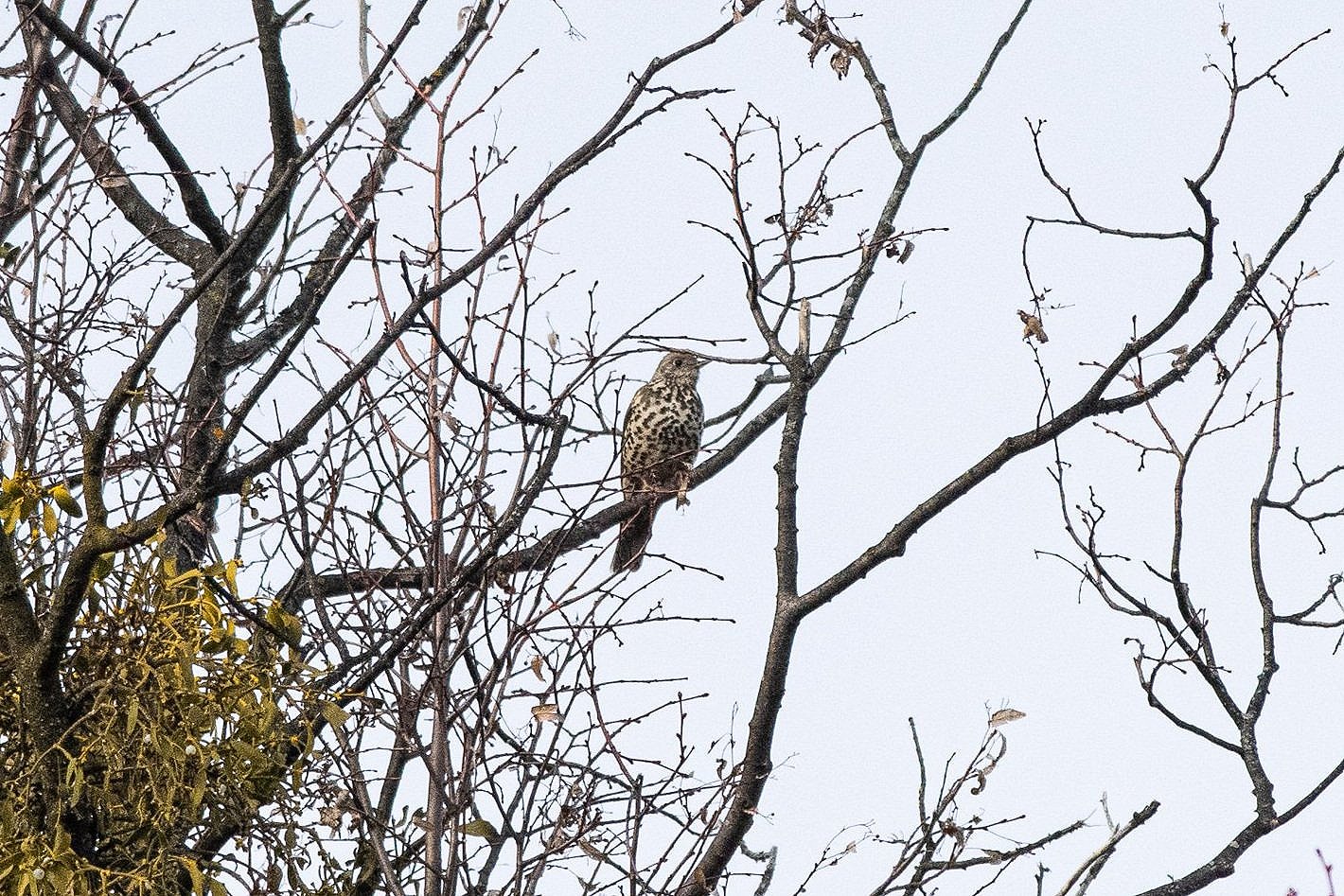
There were a few wintering species, including tens of Redwings (Rödvingetrast) and the odd Mistle Thrush (Dubbeltrast) by the horse stables. Around the ponds were the usual flocks of wintering Tufted Ducks (Vigg) interspersed with Greater Scaup (Bergand), Pochard (Brunand), Eurasian Teal (Kricka), and Mallard (Gräsand).
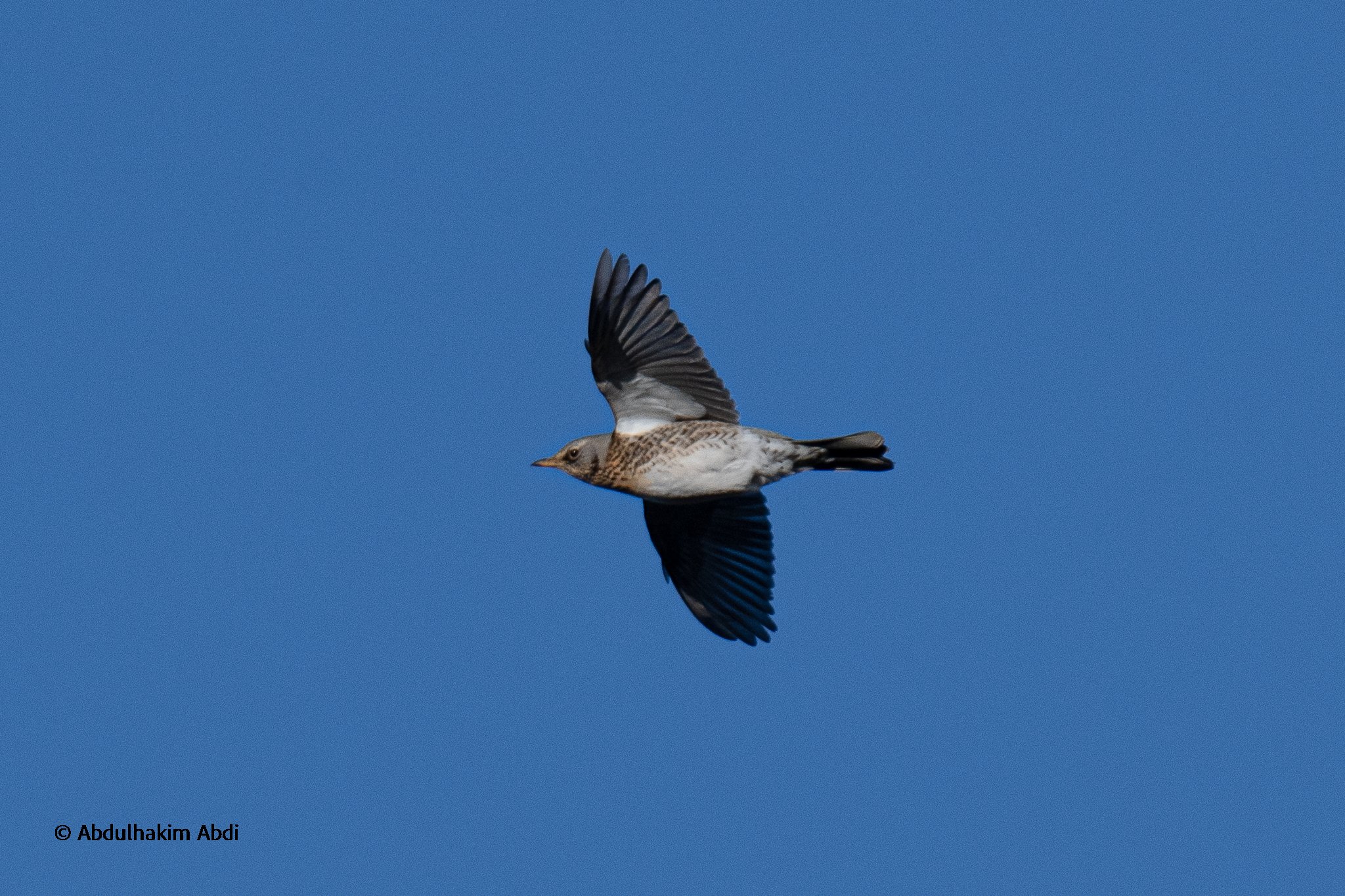
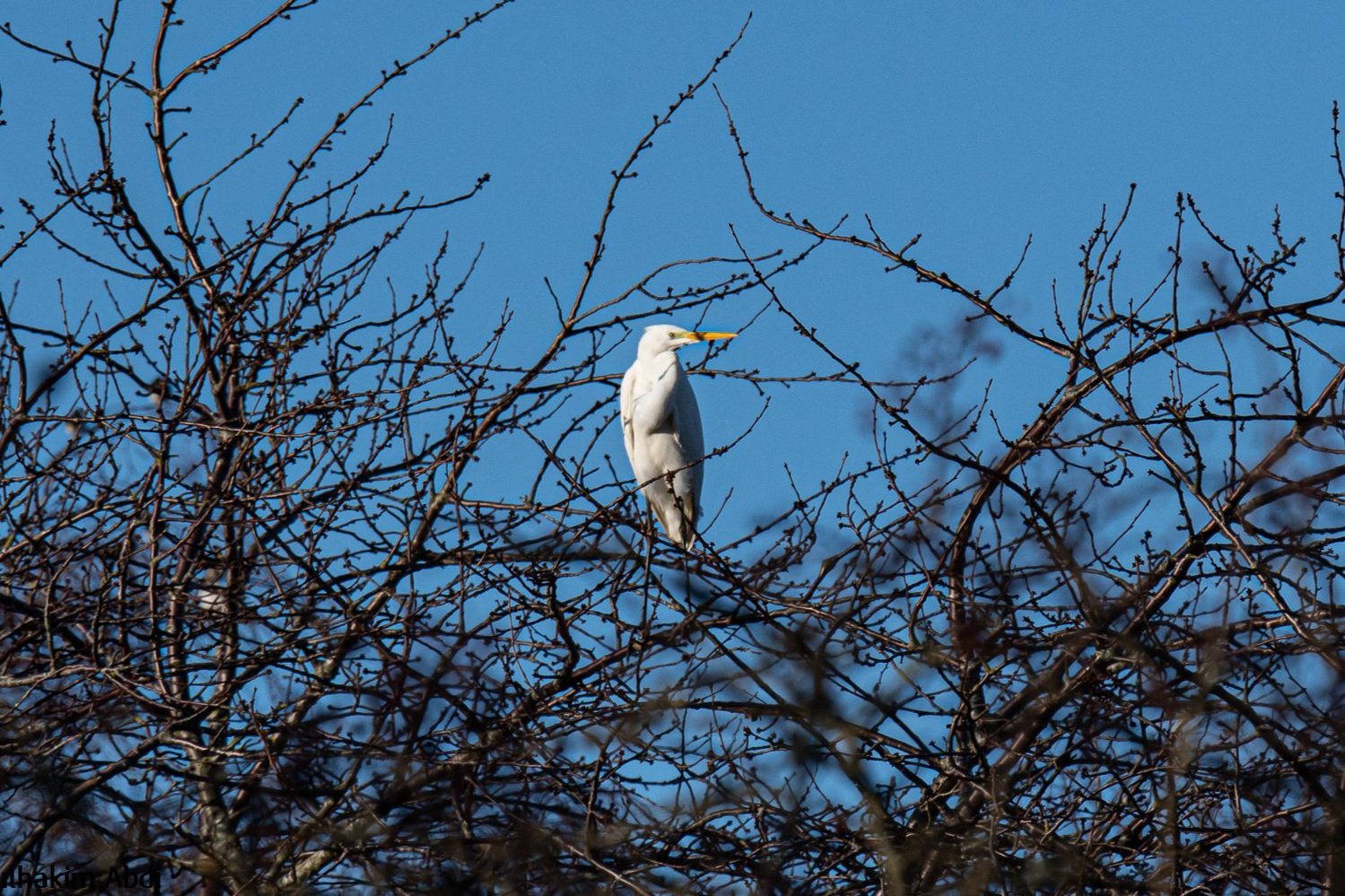
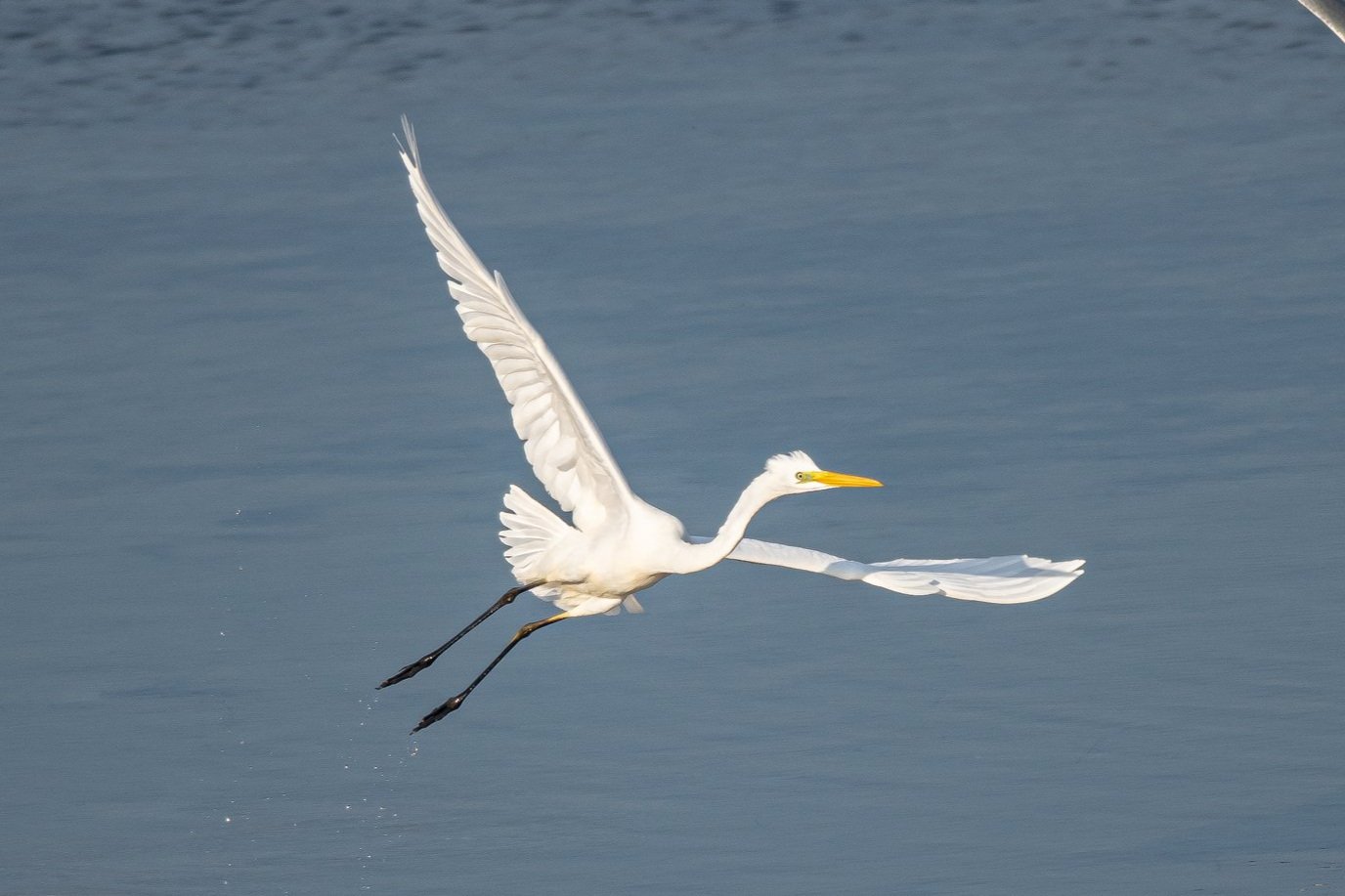
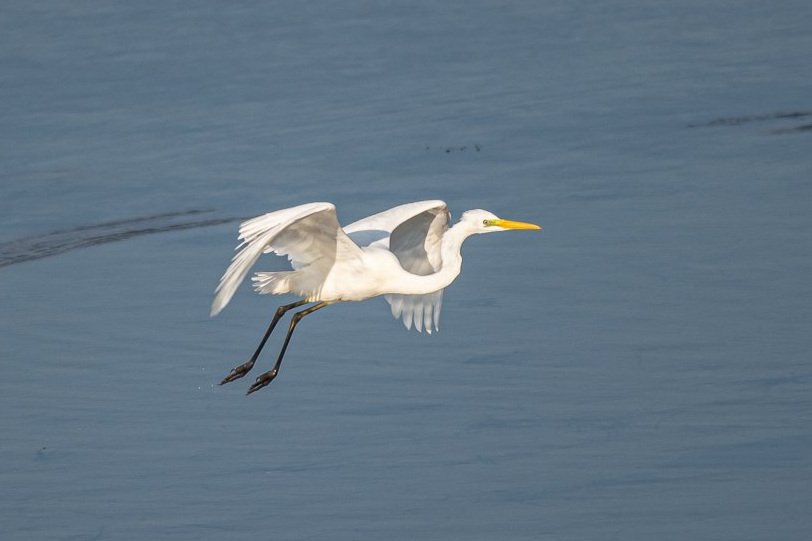
A Great Egret (Ägretthäger) spent part of the afternoon in the bushes immediately to the east of Klagshamn’s flooded limestone quarry. It was kept company by hundreds of Fieldfares (Björktrast), and there were also a couple of Grey Herons (Gråhäger) in the vicinity.
Hakim
It turned out to be a good birding year
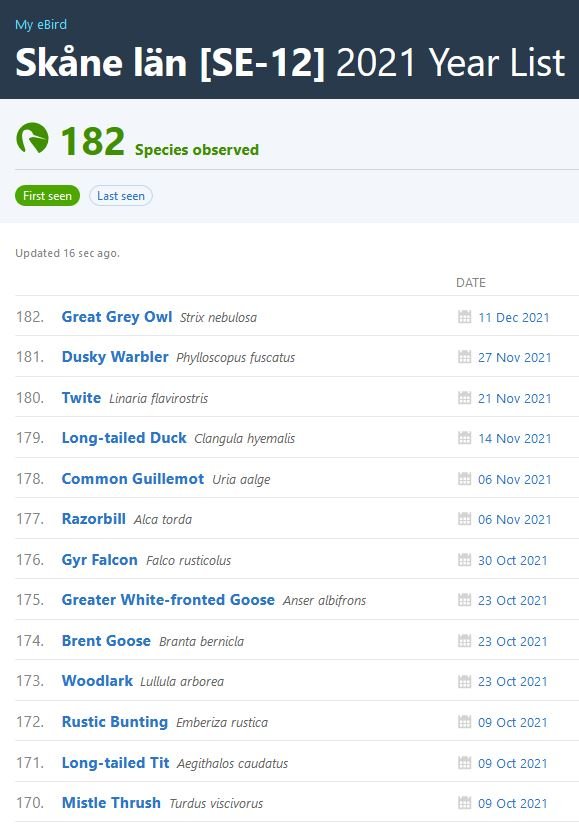
In total, I added a 28 new species to my Scanian list in 2021, taking it to 214 species seen in the province since I started keeping a list in January 2016.
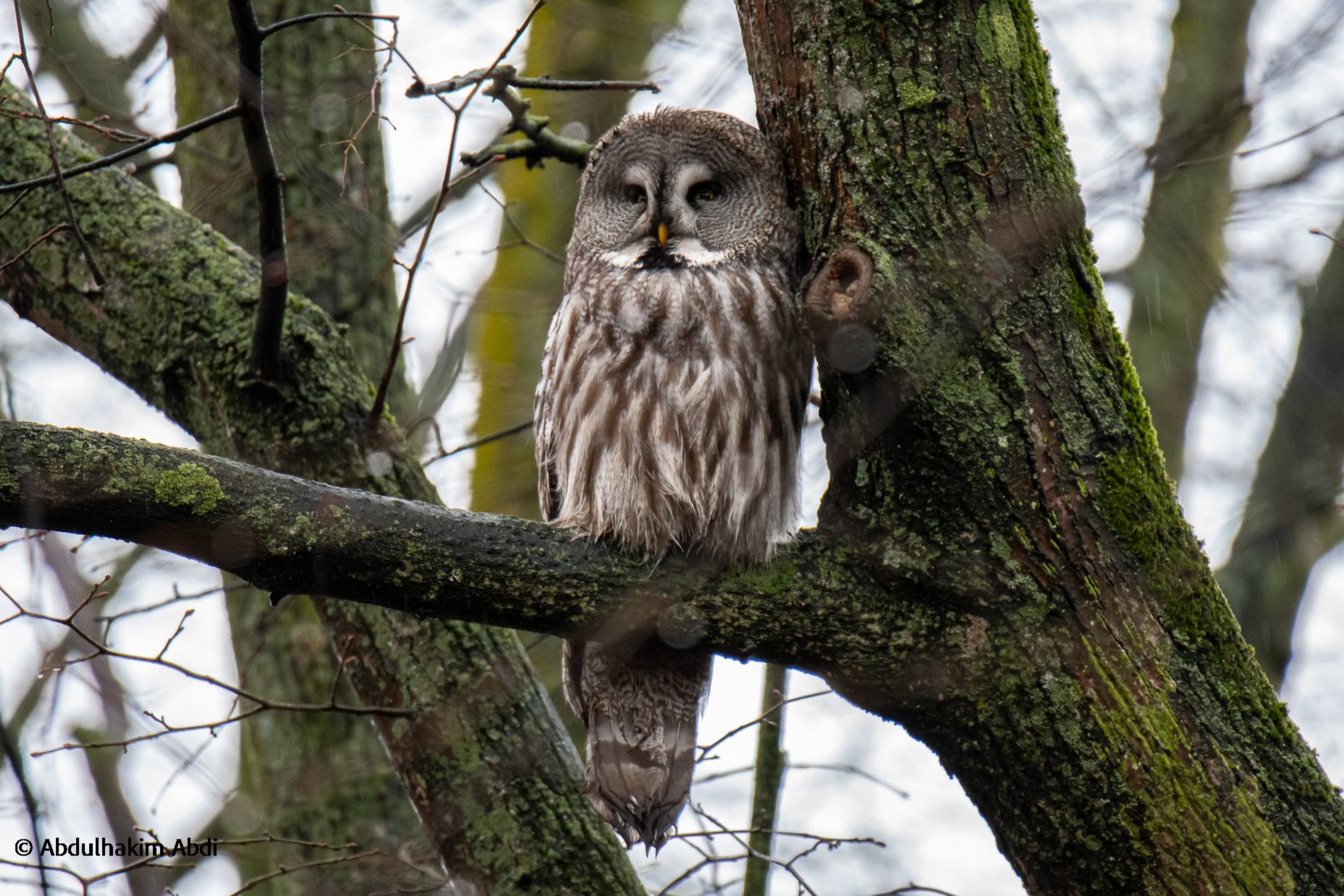
I didn’t plan anything special for 2021 as far as birding was concerned. It was just another year of slow birding, i.e. taking it easy and not chasing rarities across Skåne (Scania). Of course, I did twitch a few birds in 2021 that were “low hanging fruits”, so to say, the most recent being the Great Grey Owl (Lappuggla) at Värnhem in December that elicited a collective jaw drop from the entire Malmö birding community.
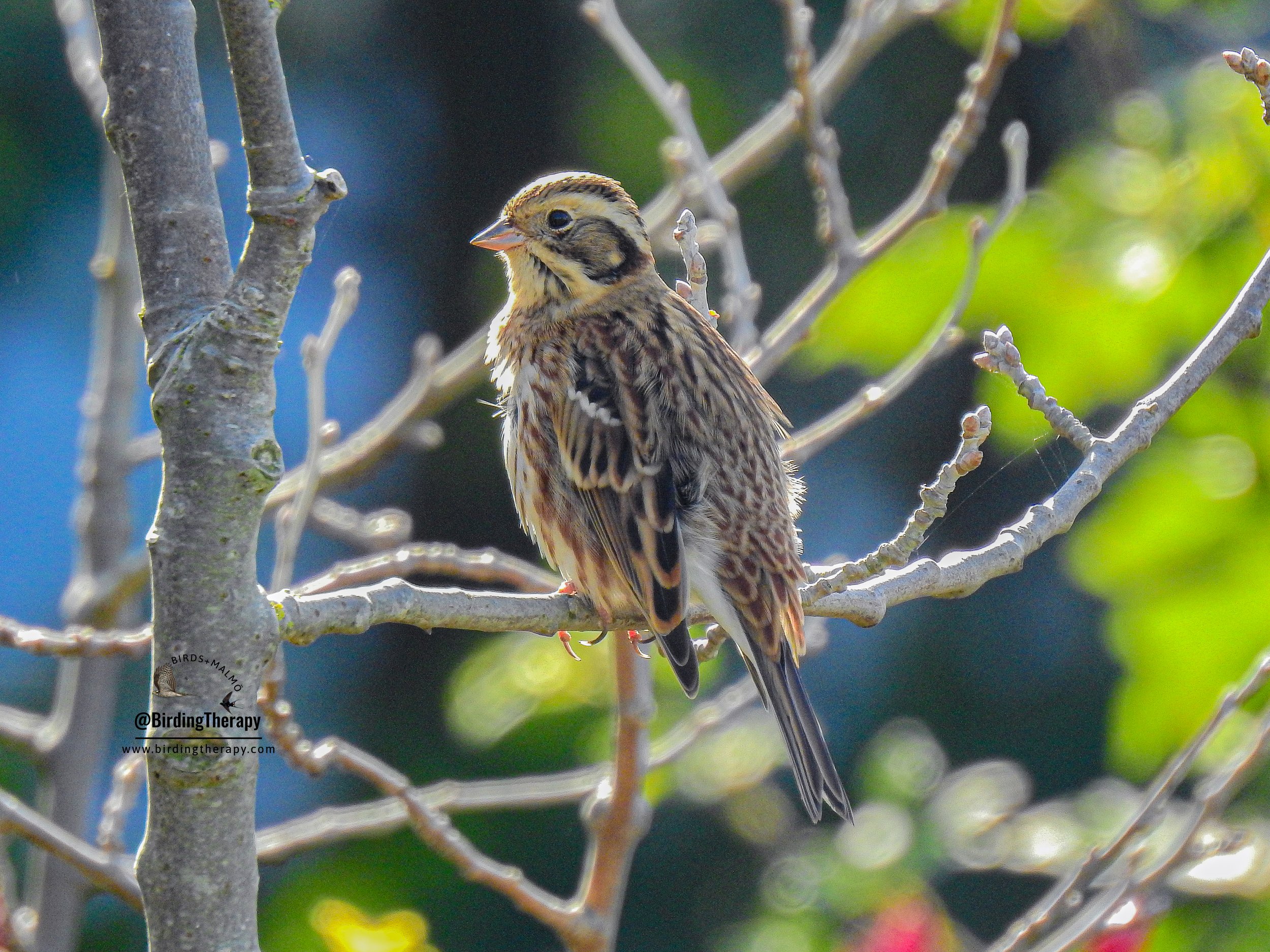
But let me start from the beginning, 2021 began with two new species to my Scanian list that were observed in the same day, January 3rd: Little Bunting (Dvärgsparv) and Greater Spotted Eagle (Större skrikörn) at Börringe. Both birds were overwintering at their respective locations and luckily they were still around when I got back from my holiday. January continued to produce good birds, including Lapland Bunting (Lappsparv) at Norra Hamnen and a Caspian Gull (Kaspisk trut) at Pildammsparken.
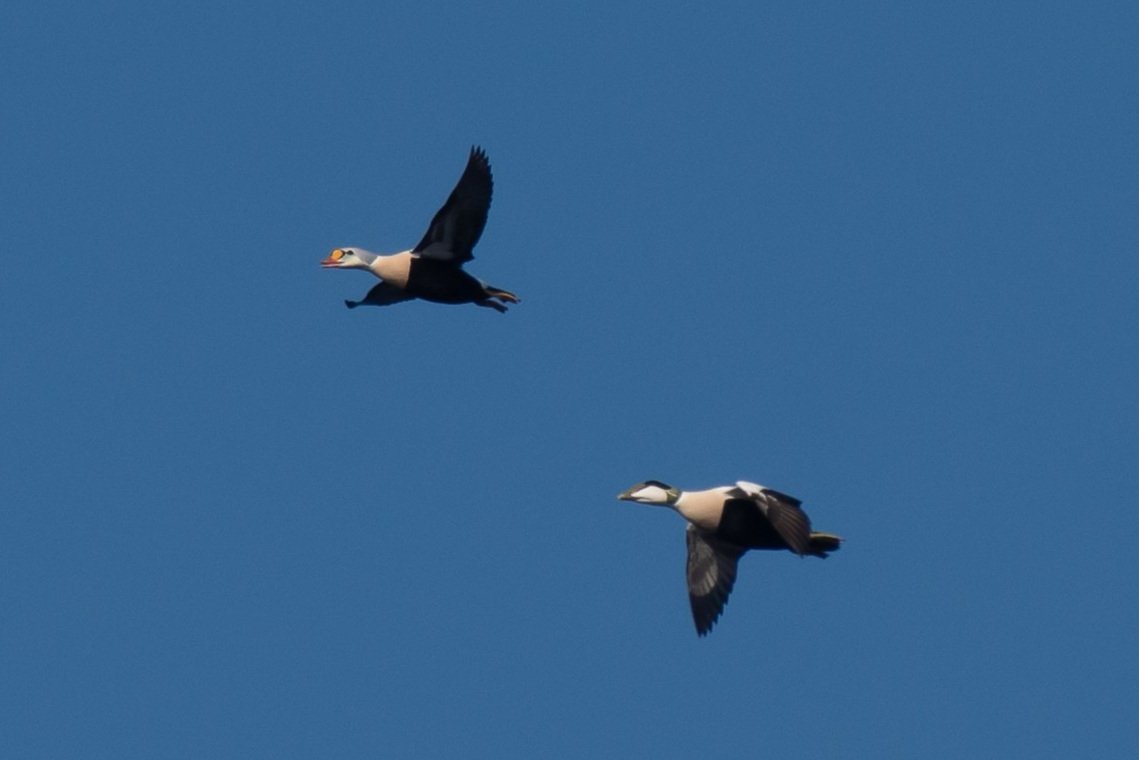
Spring brought with it a mega in the form of a Black-browed Albatross (Svartbrynad albatross) that chose the Öresund as a feeding area for a couple of days before returning to the North Sea. That was only the fourth Swedish record for the species. Two other spring highlights were a King Eider (Praktejder) on passage at Scaniaparken and a Eurasian Spoonbill (Skedstork) at Tygelsjö. The summer was rather quiet except for a Little Egret (Silkeshäger) showed up at Bunkeflostrand and provided pretty good views.
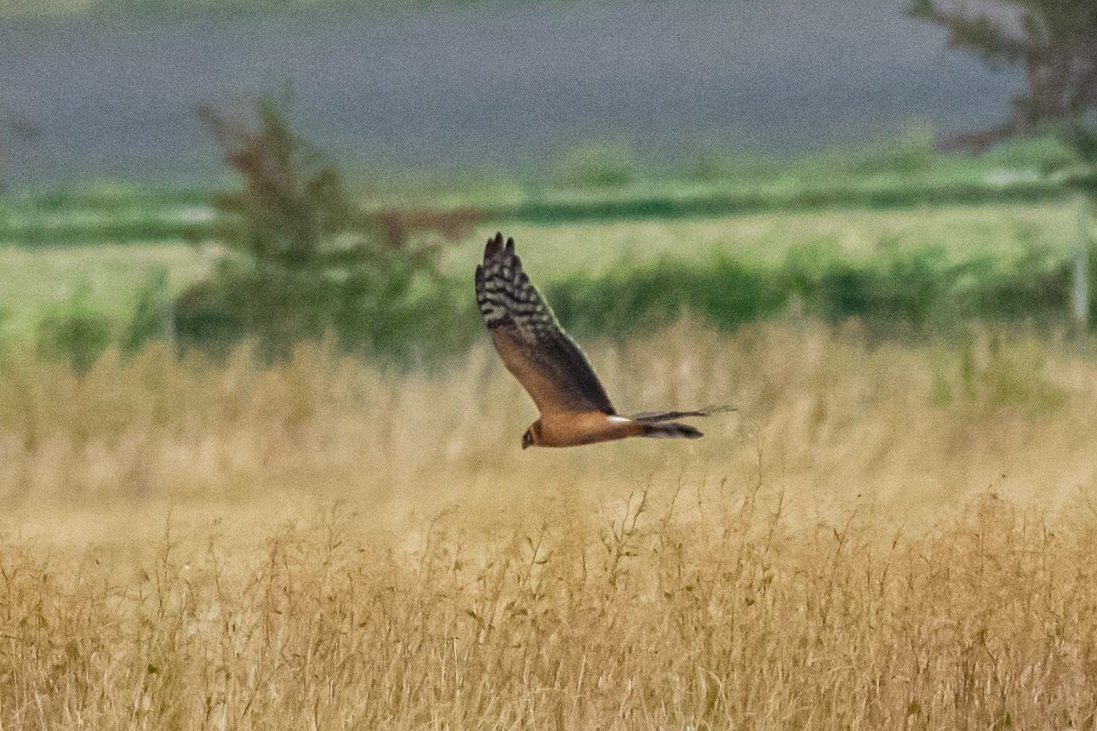
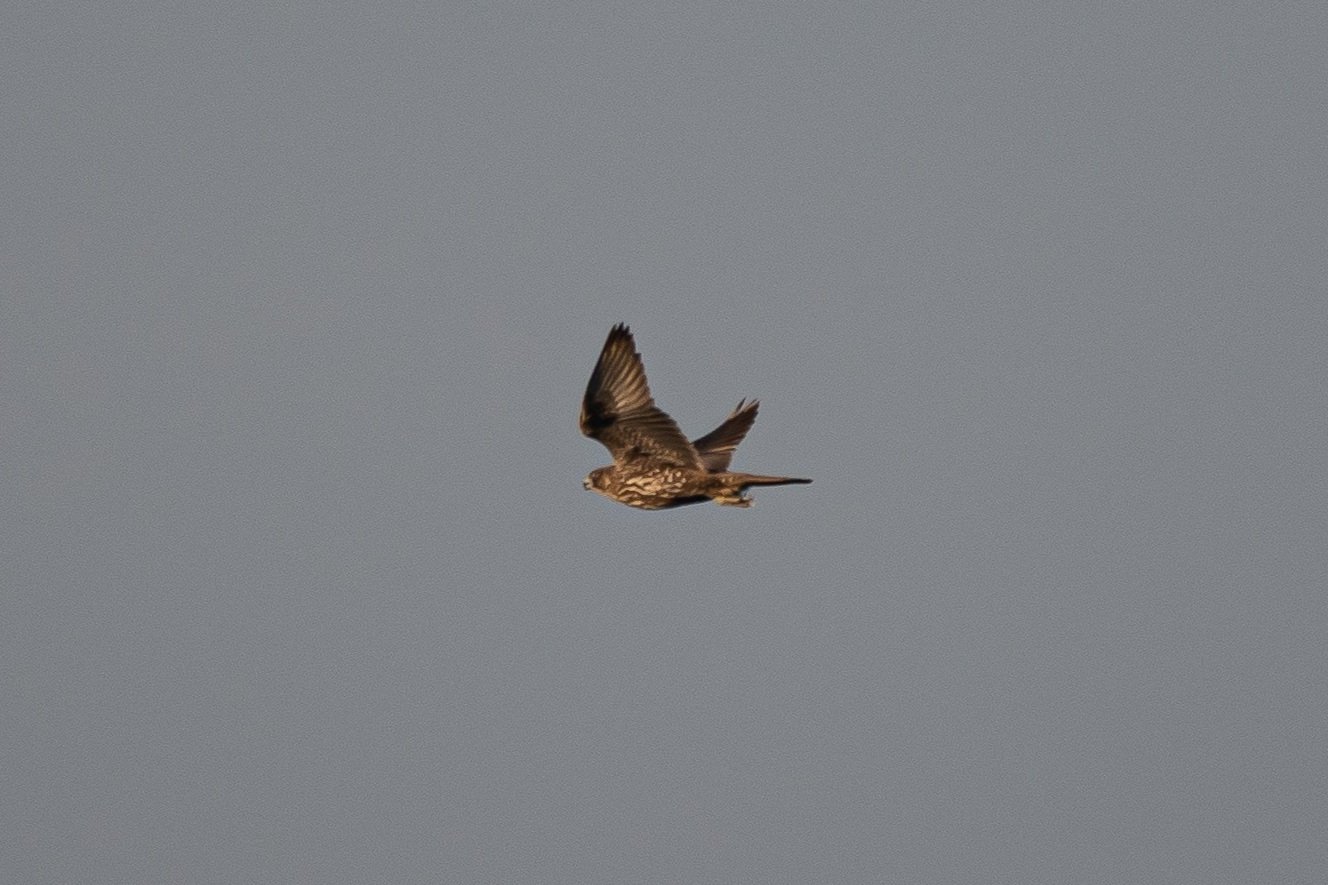
Fall was, predictably, a great season with quite a few rare to very rare species visiting Malmö. The season began with a bird that I had been hoping to see, a Pallid Harrier (Stäpphök) at Tygelsjö. Other highlights included a Rustic Bunting (Videsparv) showed up at Lagunen, and a Long-tailed Duck (Alfågel), which is rather regular offshore, decided to hang around Klagshamns flooded limestone quarry and provide point-blank views. While I was guiding a couple of people in Klagshamn, a Gyrfalcon (Jaktfalk) flew by, which infused a bit of excitement into the birding walk. Finally, a Dusky Warbler (Brunsångare) was playing hide-and-seek with eager twitchers at Ribersborg in the late fall.
In total, I added a 28 new species to my Scanian list in 2021, taking it to 214 species seen in the province since I started keeping a list in January 2016.
For 2022, I’ll follow the same recipe of taking it easy, but I can’t help but aim for 200 😉 Another resolution I have is to (finally) pay more attention to gulls instead of ignoring them 🙃
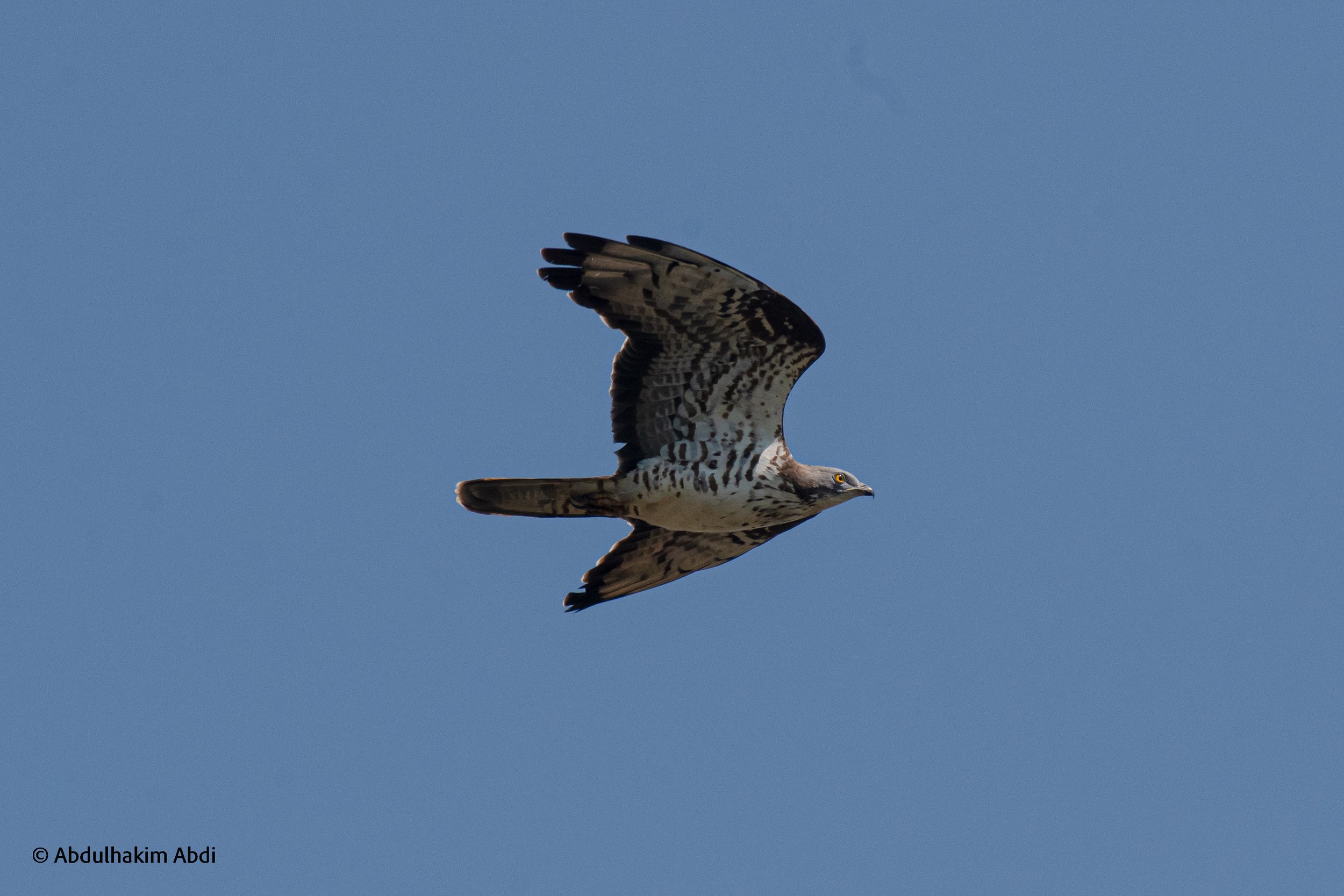
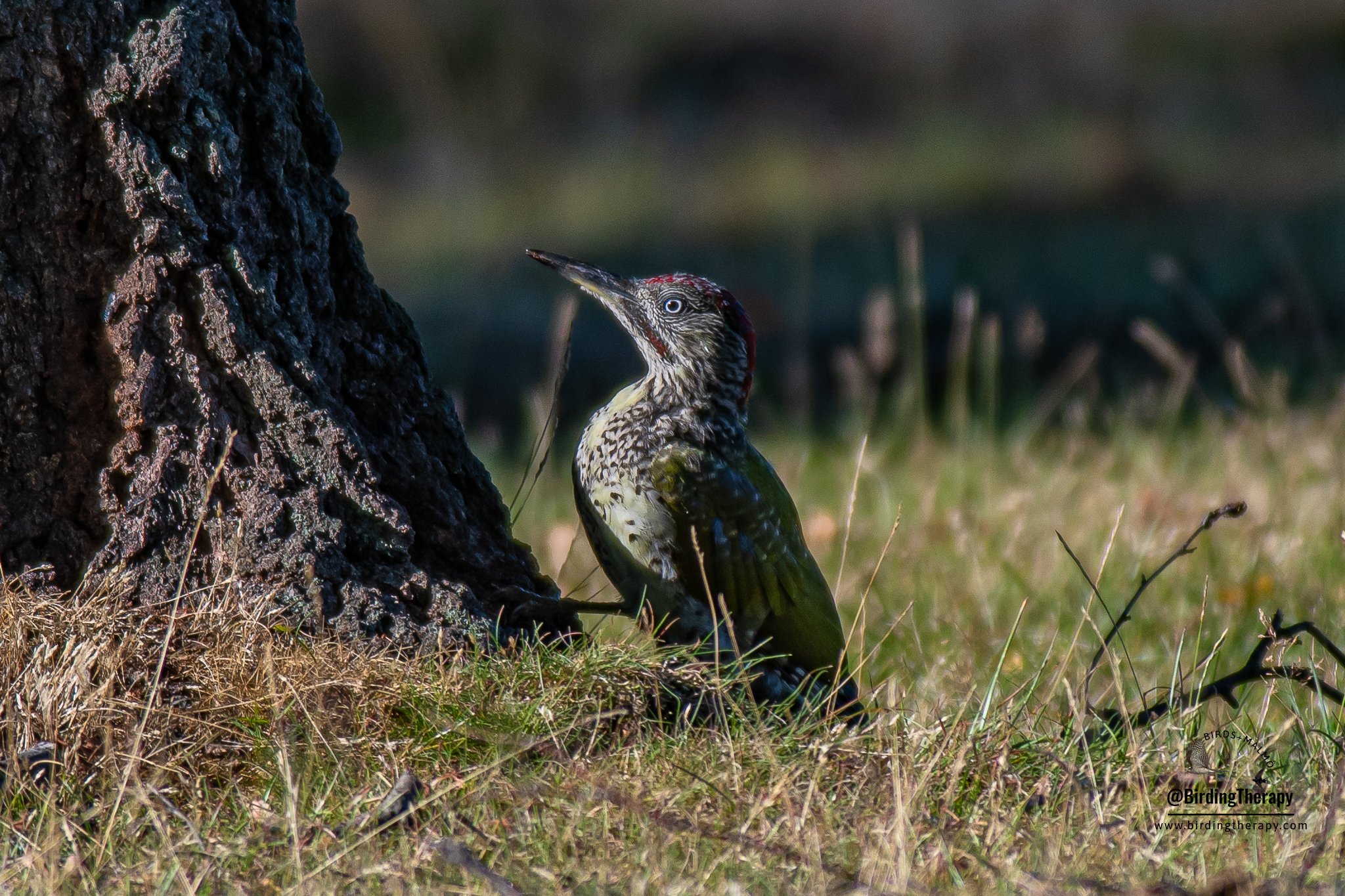
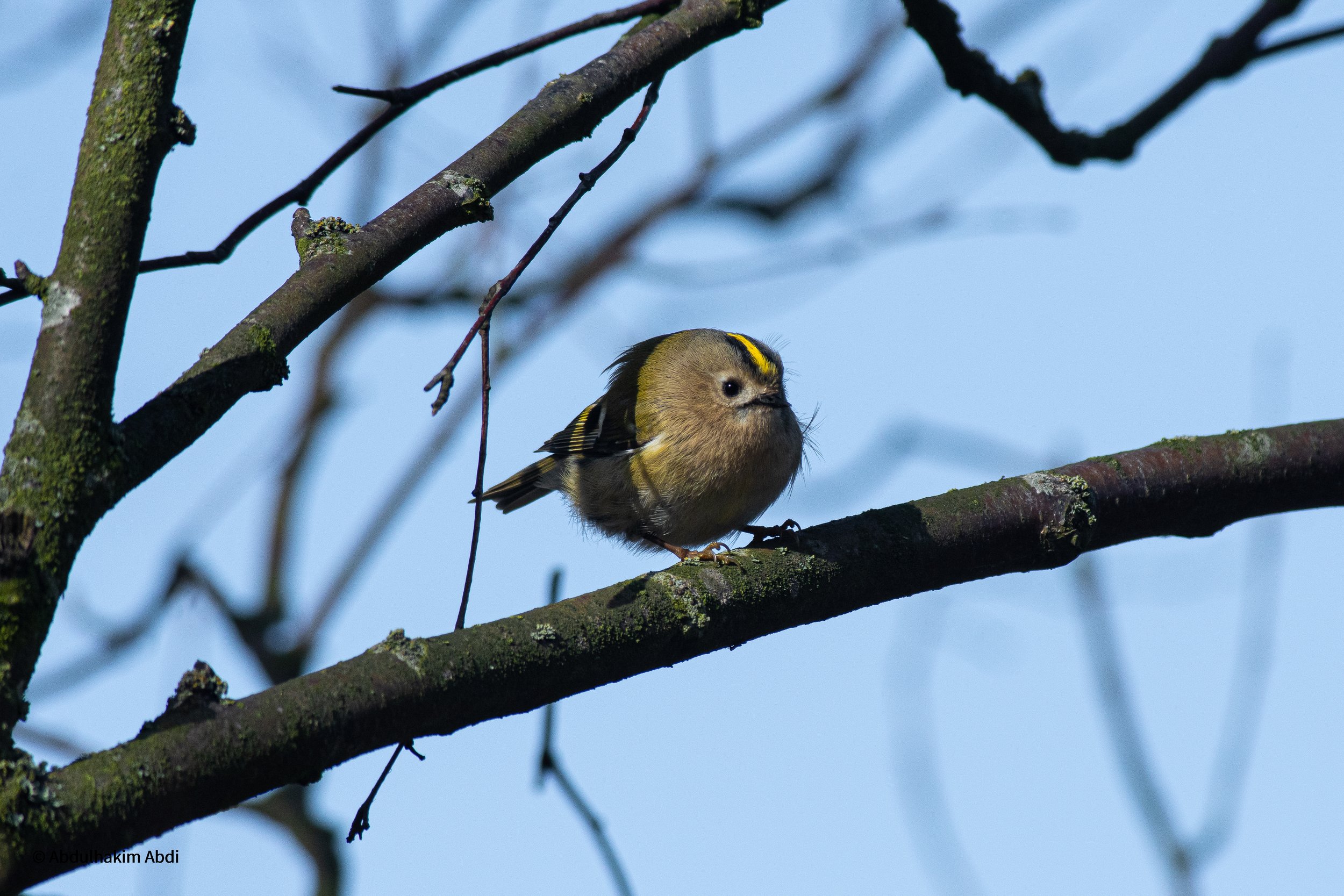
Summary of Fall 2021 Birding Walks in Malmö
Over the course of 5 Saturdays in October 2021, we saw grand total of 88 species during our morning birding sessions. The walks were relaxed and the objective was to take it easy and simply go birding during the peak southbound migration to see what we find. No stress, pure therapy.
Over the course of 5 Saturdays in October 2021, we saw a total of 88 species during our morning birding sessions. The walks were relaxed and the objective was to take it easy and simply go birding during the peak southbound migration to see what we find. No stress, pure therapy. I think all the participants enjoyed this aspect of the walks because it allowed them to take in the full experience of birding without pressure, and while enjoying each other’s company.
The walks were free but generous participants nonetheless sent tips via Swish. This was very much appreciated. This enabled me to buy another pair of lightweight (425 g) binoculars by Focus Nordic that were (still) on sale at Birdlife Sweden’s online shop, Naturbutiken. I wholeheartedly thank all the contributors for making this happen.
I look forward to the Spring 2022 birding walks, which will take place in May to coincide with peak northbound migration. I haven’t yet decided on the dates and locations but please sign up for the mailing list to be notified when the schedule is online.
Also, please make sure to follow @birdingtherapy on Instagram and Twitter, and “Like” the Facebook page for videos, photos, and updates about the birding walks. Have a wonderful holiday season!
Hakim
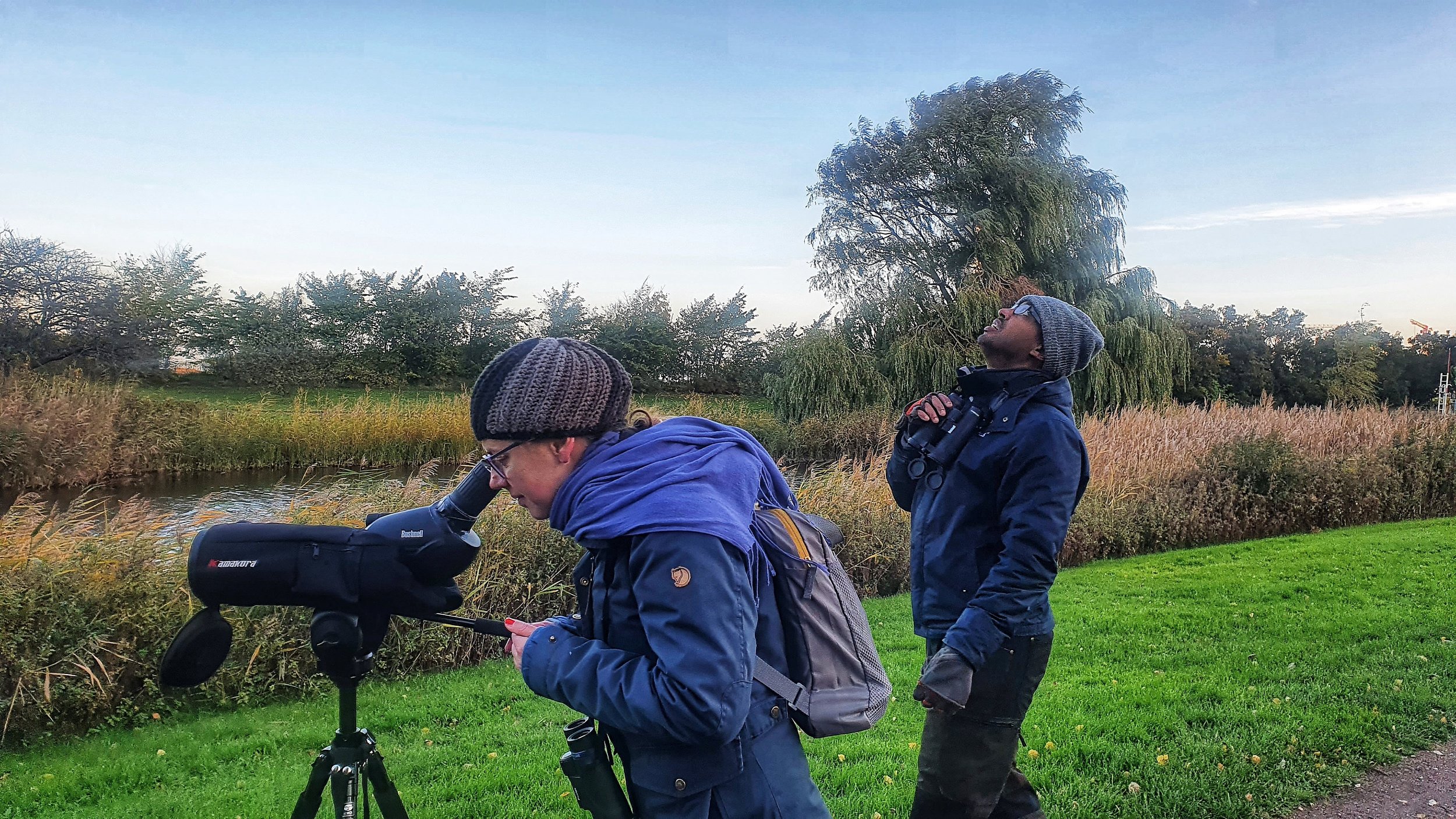
Below are the species we saw or heard during the fall birding walks in Malmö.
Goosander / Storskrake
Great Black-backed Gull / Havstrut
Great Cormorant / Storskarv
Great Crested Grebe / Skäggdopping
Great Spotted Woodpecker / Större hackspett
Great Tit / Talgoxe
Great White Egret / Ägretthäger
Greater White-fronted Goose / Bläsgås
Grey Heron / Gråhäger
Greylag Goose / Grågås
Gyrfalcon / Jaktfalk
Hawfinch / Stenknäck
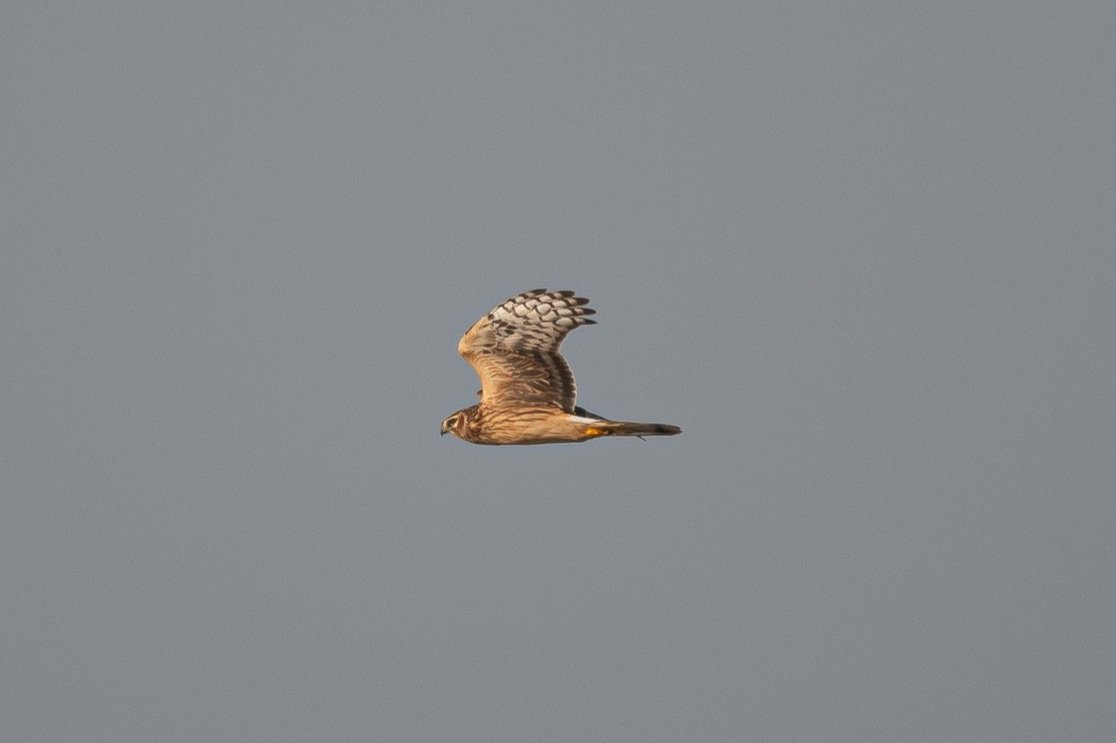
Hen Harrier / Blå kärrhök
Herring Gull / Gråtrut
Hooded Crow / Kråka
House Martin / Hussvala
House Sparrow / Gråsparv
Lesser Black-backed Gull / Silltrut
Little Grebe / Smådopping
Long-tailed Tit / Stjärtmes
Mallard / Gräsand
Marsh Harrier / Brun kärrhök
Meadow Pipit / Ängspiplärka
Mistle Thrush / Dubbeltrast
Mute Swan / Knölsvan
Northern Lapwing / Tofsvipa
Northern Pintail / Stjärtand
Northern Shoveler / Skedand
Red Kite / Röd glada
Red-breasted Merganser / Småskrake
Redwing / Rödvingetrast
Ring-necked Pheasant / Fasan
Rook / Råka
Sand Martin / Backsvala
Song Thrush / Taltrast
Stock Dove / Skogsduva
Tree Sparrow / Pilfink
Tufted Duck / Vigg
Western Jackdaw / Kaja
Western Yellow Wagtail / Gulärla
White Wagtail / Sädesärla
White-tailed Eagle / Havsörn
Willow Warbler / Lövsångare
Woodlark / Trädlärka
Barn Swallow / Ladusvala
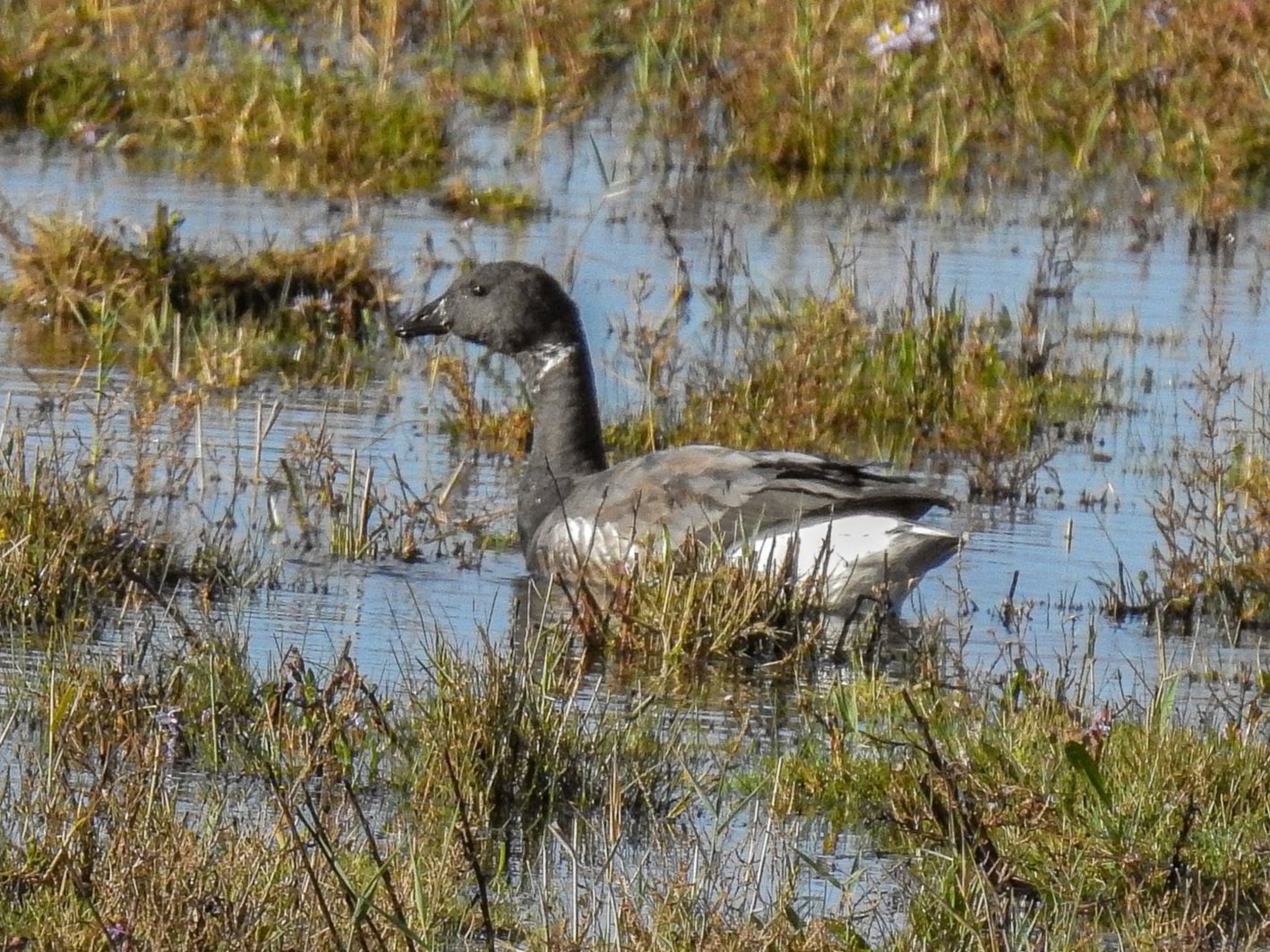
Barnacle Goose / Vitkindad gås
Bearded Reedling / Skäggmes
Black-headed Gull / Skrattmås
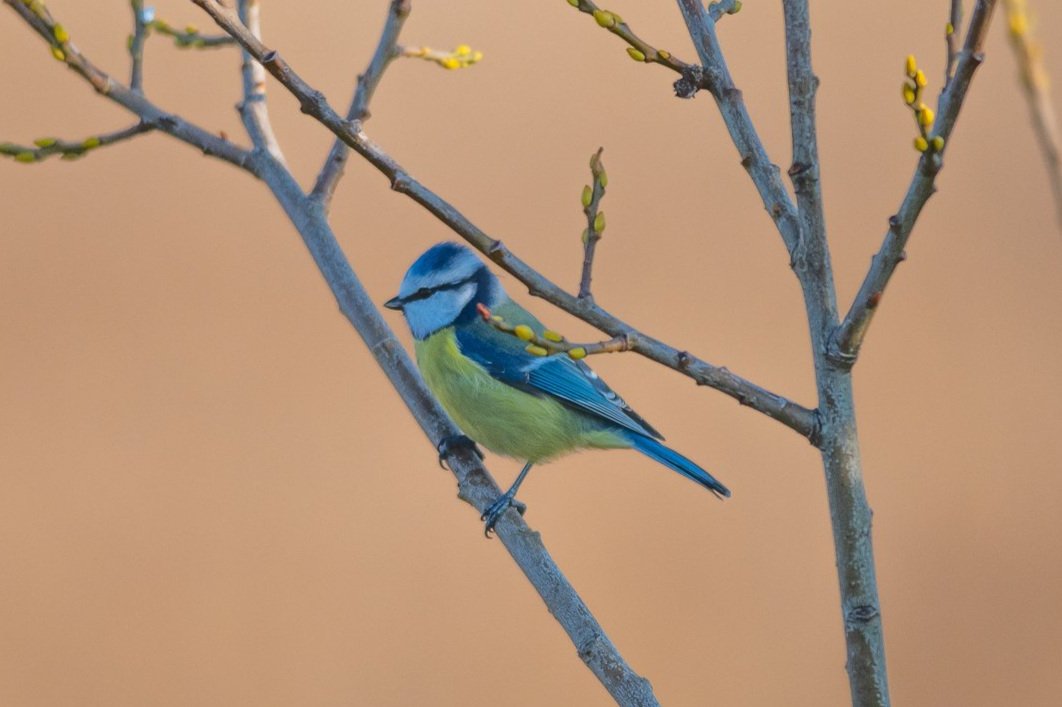
Blue Tit / Blåmes
Brambling / Bergfink
Canada Goose / Kanadagås
Chiffchaff / Gransångare
Common Blackbird / Koltrast
Common Buzzard / Ormvråk
Common Chaffinch / Bofink
Common Coot / Sothöna
Common Crane / Trana
Common Eider / Ejder
Common Goldeneye / Knipa
Common Greenshank / Gluttsnäppa
Common Gull / Fiskmås
Common Kestrel / Tornfalk
Common Linnet / Hämpling
Common Magpie / Skata
Common Moorhen / Rörhöna
Common Pheasant / Fasan
Common Pochard / Brunand
Common Raven / Korp
Common Reed Bunting / Sävsparv
Common Snipe / Enkelbeckasin
Common Starling / Stare
Common Tern / Fisktärna
Common Woodpigeon / Ringduva
Eurasian Blackcap / Svarthätta
Eurasian Oystercatcher / Strandskata
Eurasian Siskin / Grönsiska
Eurasian Skylark / Sånglärka
Eurasian Sparrowhawk / Sparvhök
Eurasian Teal / Kricka
Eurasian Wigeon / Bläsand
Eurasian Wren / Gärdsmyg
European Golden Plover / Ljungpipare
European Goldfinch / Steglits
European Greenfinch / Grönfink
European Robin / Rödhake
European Serin / Gulhämpling
Feral Pigeon / Stadsduva
Goldcrest / Kungsfågel
Interview with the Fågelpodden podcast - Parts 1 & 2
I had the pleasure of chatting with fellow birder and podcaster Magnus Olsson on his fågelpodden (The Bird Podcast). We had a wide-ranging discussion and this is the first of a two-part series.

I had the pleasure of chatting with fellow birder and podcaster Magnus Olsson on his fågelpodden (The Bird Podcast). We had a wide-ranging discussion, in English, and this is the first of a two-part series.
This is the first time I’ve participated in a podcast and it was a nice experience. It felt like a casual discussion with a friend and Magnus is a great interviewer.
The interview is in two parts and are linked below, so grab some coffee/tea/hot chocolate and have a listen.
Part 1 is wide-ranging but focused on my birding history: early beginnings, life in the US, most-sought after bird, favorite destination, role models. The final part of the interview ends with a pretty significant question: “what does birding give me as a person?”.
In part 2, we talk about my job as a researcher and the sort of work I do using satellite data. I give an overview of how satellites work and how they can be used for bird and nature conservation. We then take a deep dive in to birding therapy and the importance of birds for people.
Om ni gillar fåglar, natur och fågelskådning så kommer ni att gilla fågelpodden. Prenumerera och stötta denna fantastiska podd.
If you speak a bit of Swedish and love birds, birding and nature, then I thoroughly recommend fågelpodden. There aren’t that many podcasts about birding and this one is a real gem. So, subscribe and support this wonderful initiative.
Birding Therapy nominated for WWF's "Environmental Hero" award
In mid-September I got an email that said “ditt arbete med Birding Therapy som en av de nominerade av Årets Miljöhjälte i kategorin biologisk mångfald” (your work with Birding Therapy is one of the nominees for this year’s Environmental Hero award in the biodiversity category"). At first I didn’t know what to think and thought it was a phishing/malware type of spam. But then it sunk in that this is real, and it’s difficult to put into words how I felt. I didn’t think that anyone was paying attention to the small side project I started to get more people, particularly underrepresented groups, out into nature and birding.

Sex nominerade till WWF-priset Årets miljöhjälte / Six nominees for WWF’s annual “Environmental Hero” award
In mid-September I got an email that said “ditt arbete med Birding Therapy som en av de nominerade av Årets Miljöhjälte i kategorin biologisk mångfald” (your work with Birding Therapy is one of the nominees for this year’s Environmental Hero award in the biodiversity category"). At first I didn’t know what to think and thought it was a phishing/malware type of spam. But then it sunk in that this is real, and it’s difficult to put into words how I felt. I didn’t think that anyone was paying attention to the small side project I started to get more people, particularly underrepresented groups, out into nature and birding.
The day the list was made official I got an email from a journalist at one of Malmö’s radio stations seeking to interview me. It was around 08:00 and I was ready to commute to work. We agreed to meet at the train station and conduct a short interview there. The interview was in Swedish, and my skills in svenska are a work in progress but crucially I was not told the interview was live (!) So, I fumbled a bit at the beginning (thinking that it can be edited out) but eventually found my footing 😅 At this stage of my career, I’m used to being interviewed for print media but this was my first live on-air interview. I think I’ll stick to English next time until I’m fully proficient in Swedish 🙂
The full interview can be heard in the embed below (or here if you can’t see the embed). There’s also a nice summary here that hits the main points of the interview.
I think the nomination, in and of itself, is an important recognition of the importance of getting everyone aware of the very tangible benefits of nature, even those that live in urban centers. In Malmö, we’re lucky to have an efficient public transportation system that provides access to the city natural areas. But not many know of the existence of these places, not least newcomers to the city and people who don’t have the opportunities to go into nature.
The benefits of getting more people to recognize the benefits and importance of nature preservation are many. A particularly important one is that people (i.e. voters) will not opt for the protection of something they know nothing about. So, in order for the conservation of biodiversity to take place, more people need to be aware of its importance. There’s a general assumption that it’s enough to disseminate information via the usual channels (e.g. prominent media outlets) in order to reach most people in society. It may be true but these channels are not always the best sources for reaching all groups living in our society and many might not get the message regarding nature’s importance. This is why it’s important to increase representation in conservation because more people can be reached, and potentially involved, if they see themselves as part of the effort to protect nature.
A birding interview with Universal TV's Hereri
I had the pleasure of taking well-known Somali journalist Abdisalam Hereri out birding in Malmö. Mr. Hereri has been traveling across Sweden and reported on the Somali community here. We talked about birding, what it is and why it’s an interesting activity. We also touched upon the benefits that nature provides for society and the importance of its conservation.
I had the pleasure of taking well-known Somali journalist Abdisalam Hereri out birding in Malmö. Mr. Hereri has been traveling across Sweden and reported on the Somali community here. We talked about birding, what it is and why it’s an interesting activity. We also touched upon the benefits that nature provides for society and the importance of its conservation. The interview is in Somali and I hope that it will spark interest in the Somali community in Malmö to explore the natural surroundings that the city offers, and perhaps even go on a birding walk with me 🙂
Summary of the Spring 2021 Birding Walks in Malmö
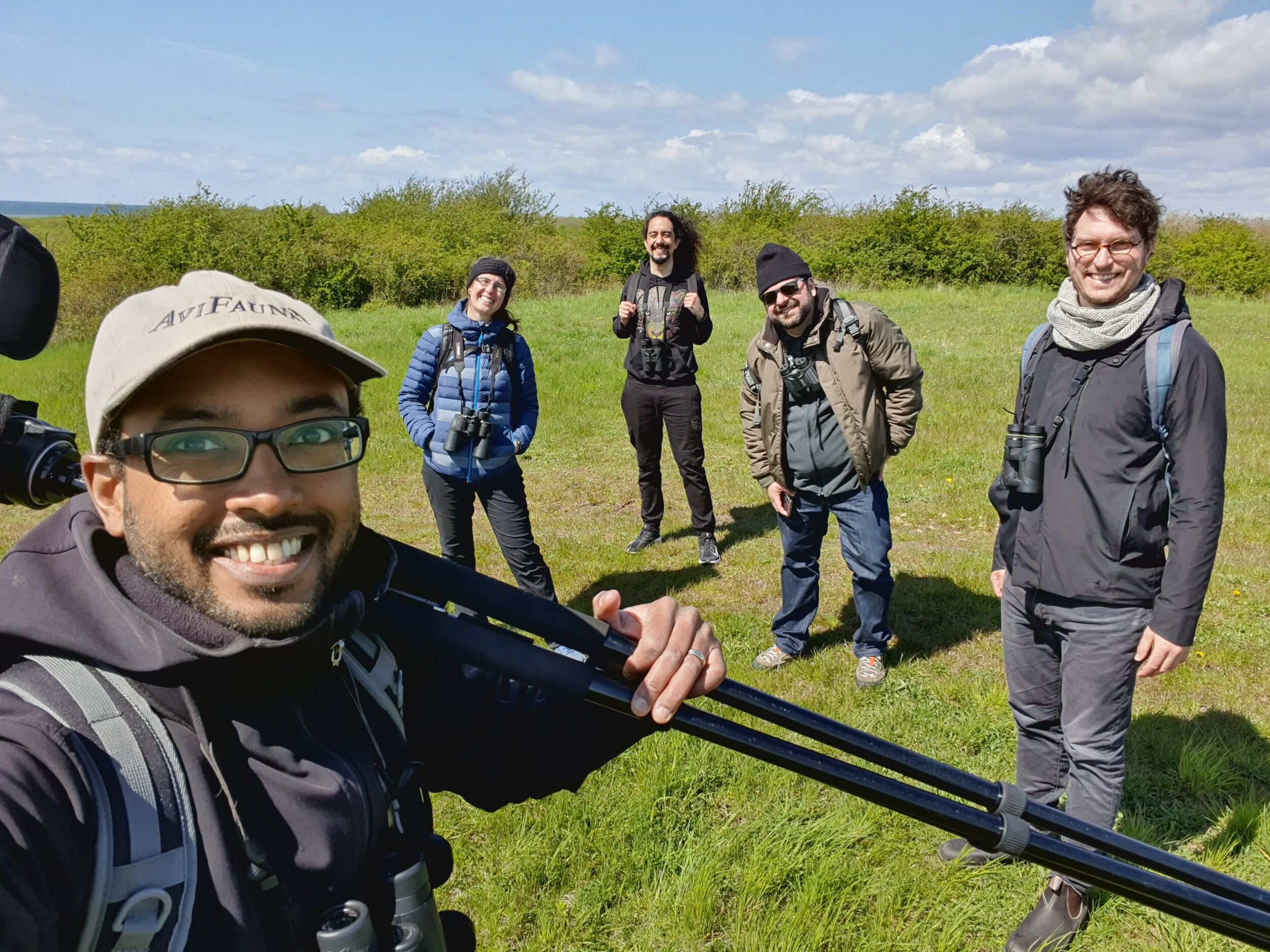
Over the course of 5 Saturdays in May 2021, I guided a total of 17 participants around 4 locations across Malmö. We spent a total of 15 hours of slow-paced birding and saw grand total of 78 species during our morning birding sessions. All the birding walks were fully booked.
Over the course of 5 Saturdays in May 2021, I guided a total of 17 participants around 4 locations across Malmö. We spent a total of 15 hours of slow-paced birding and saw grand total of 78 species during our morning birding sessions. All the birding walks were fully booked.
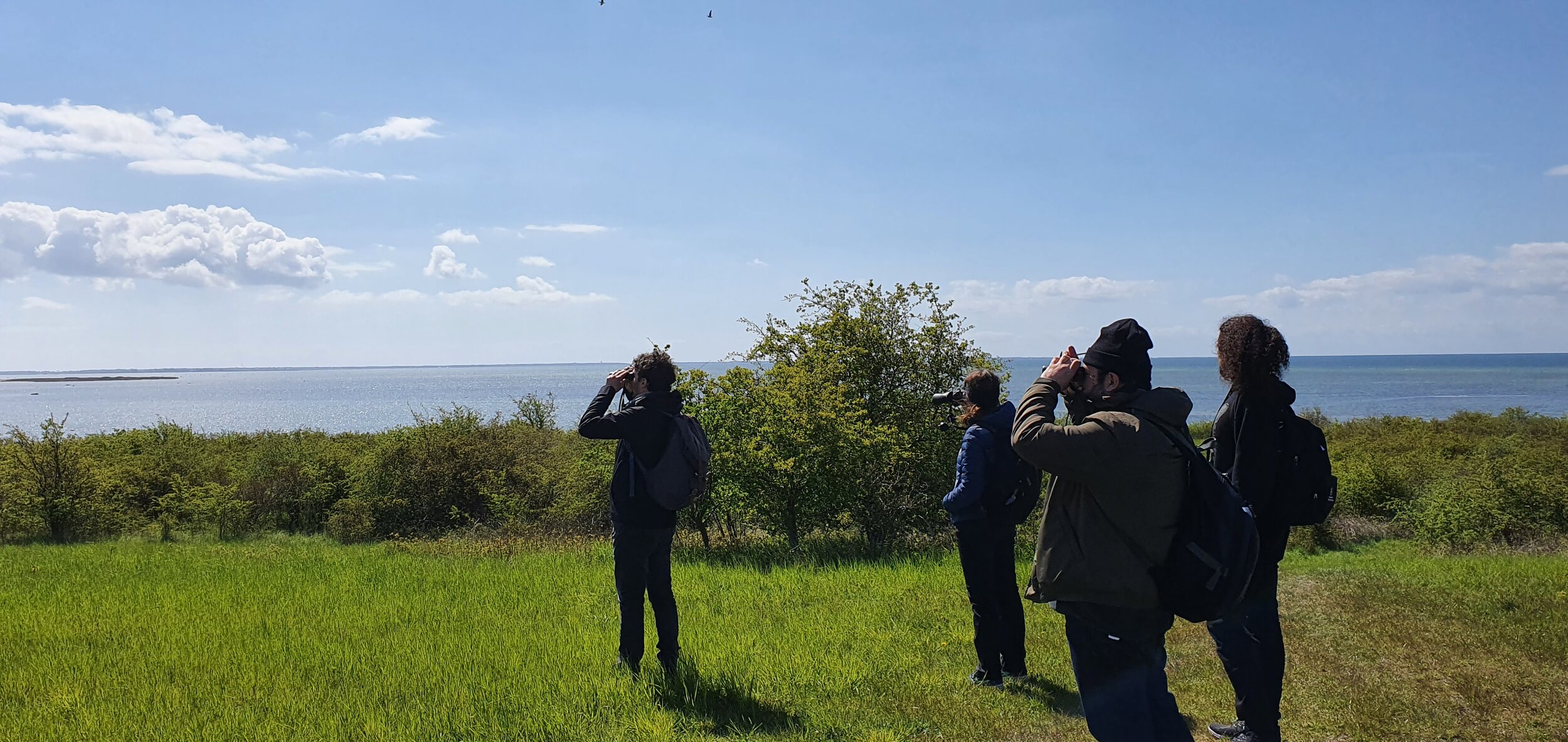
The walks were relaxed and the objective was to take it easy and simply go birding during the peak northbound migration to see what we find. No stress, pure therapy. I think all the participants enjoyed this aspect of the walks because it allowed them to take in the full experience of birding without pressure, and while enjoying each other’s company (at 2-meters apart, of course, due to COVID-19).
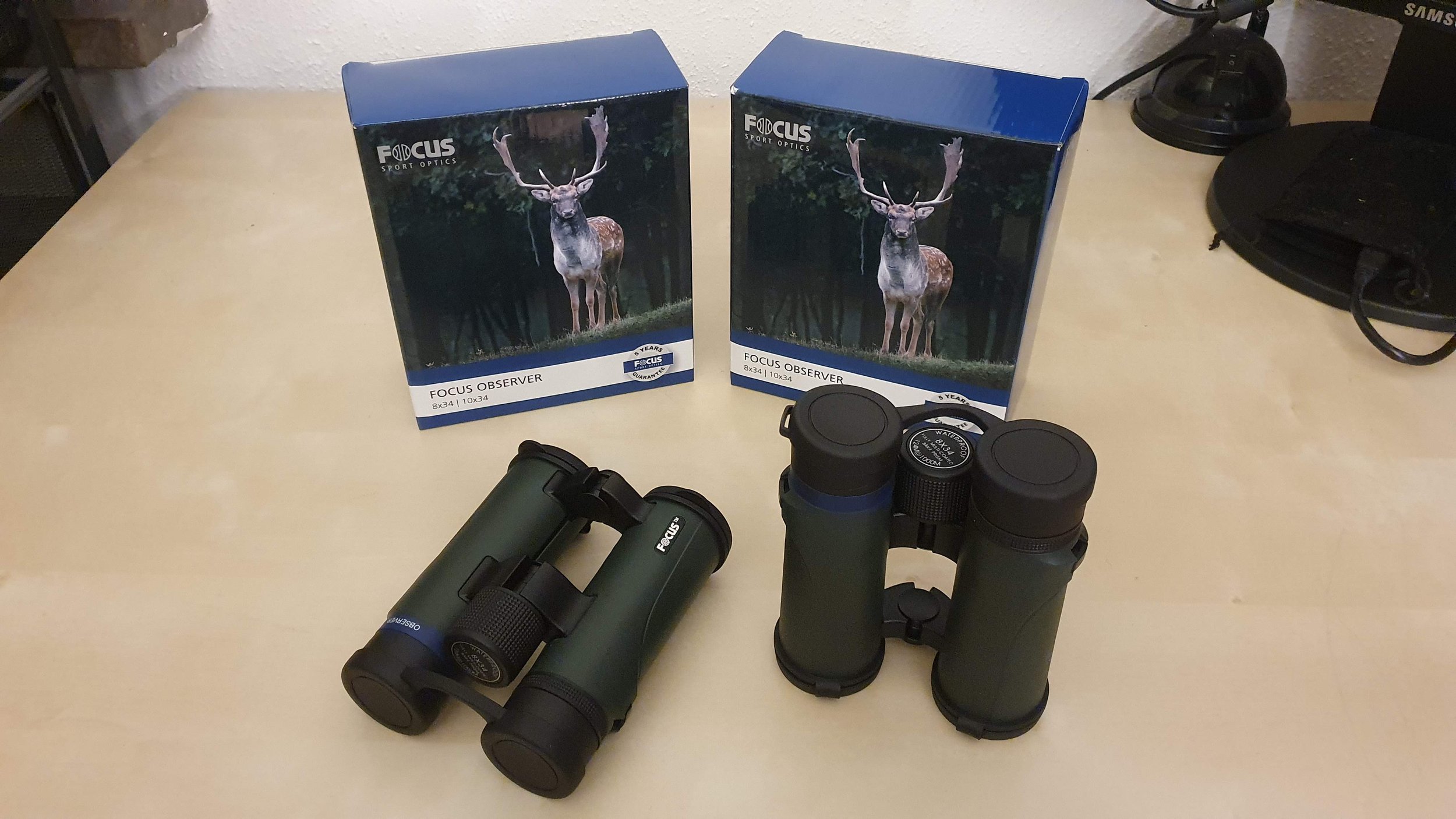
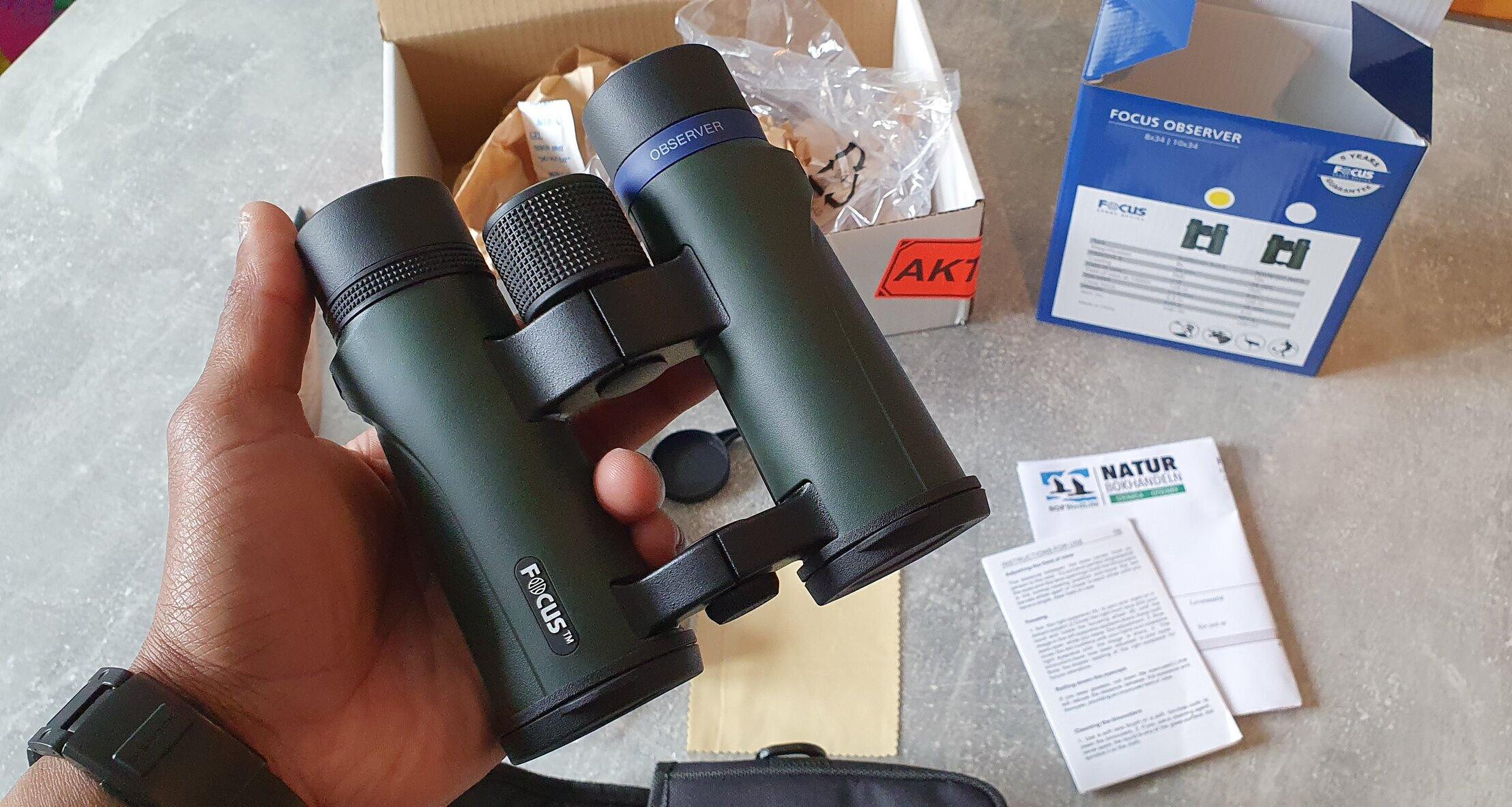
The walks were free but generous participants nonetheless sent tips via Swish. This was very much appreciated. I re-invested those funds (1044 SEK) to purchase a new pair of lightweight binoculars by Focus Nordic (see photo below) that were on sale at Birdlife Sweden’s online shop, Naturbokhandeln. The reason I purchased these binoculars is that some of the participants said the spare pair of binoculars I handed out, Bushnell H2O 10x42, were a bit heavy (710 g). This new pair is 40% lighter (425 g) and will be easier for the participants to carry for extended periods of time during future birding walks. So, I wholeheartedly thank all the contributors for making this happen.
I look forward to the Autumn 2021 birding walks, which will take place in September or October to coincide with peak southbound migration. I haven’t yet decided on the dates and locations but please sign up for the mailing list to be notified when the schedule is online.
Also, please make sure to follow @birdingtherapy on Instagram and Twitter, and “Like” the Facebook page for videos, photos, and updates about the birding walks. Have a wonderful summer!
Hakim
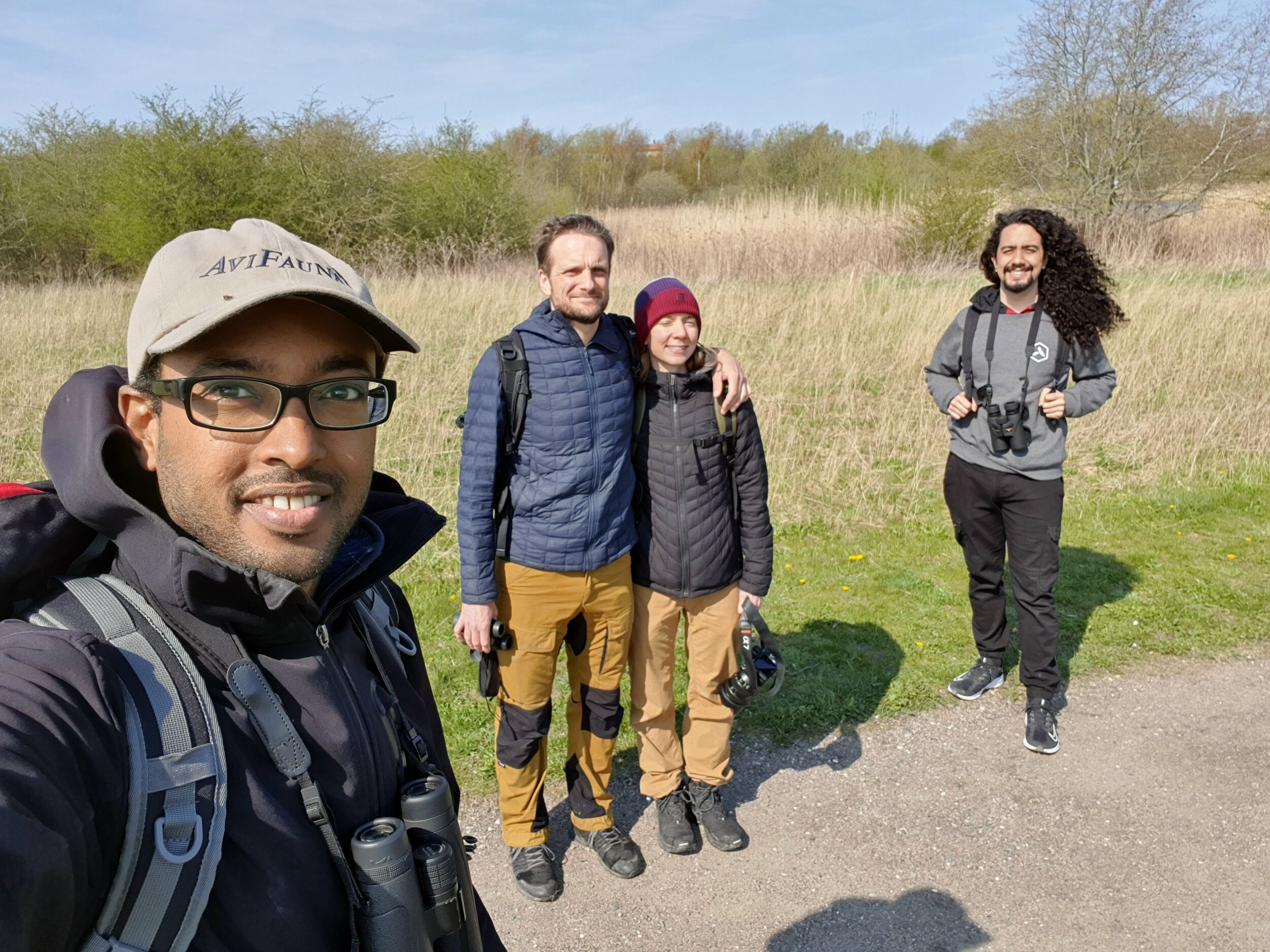
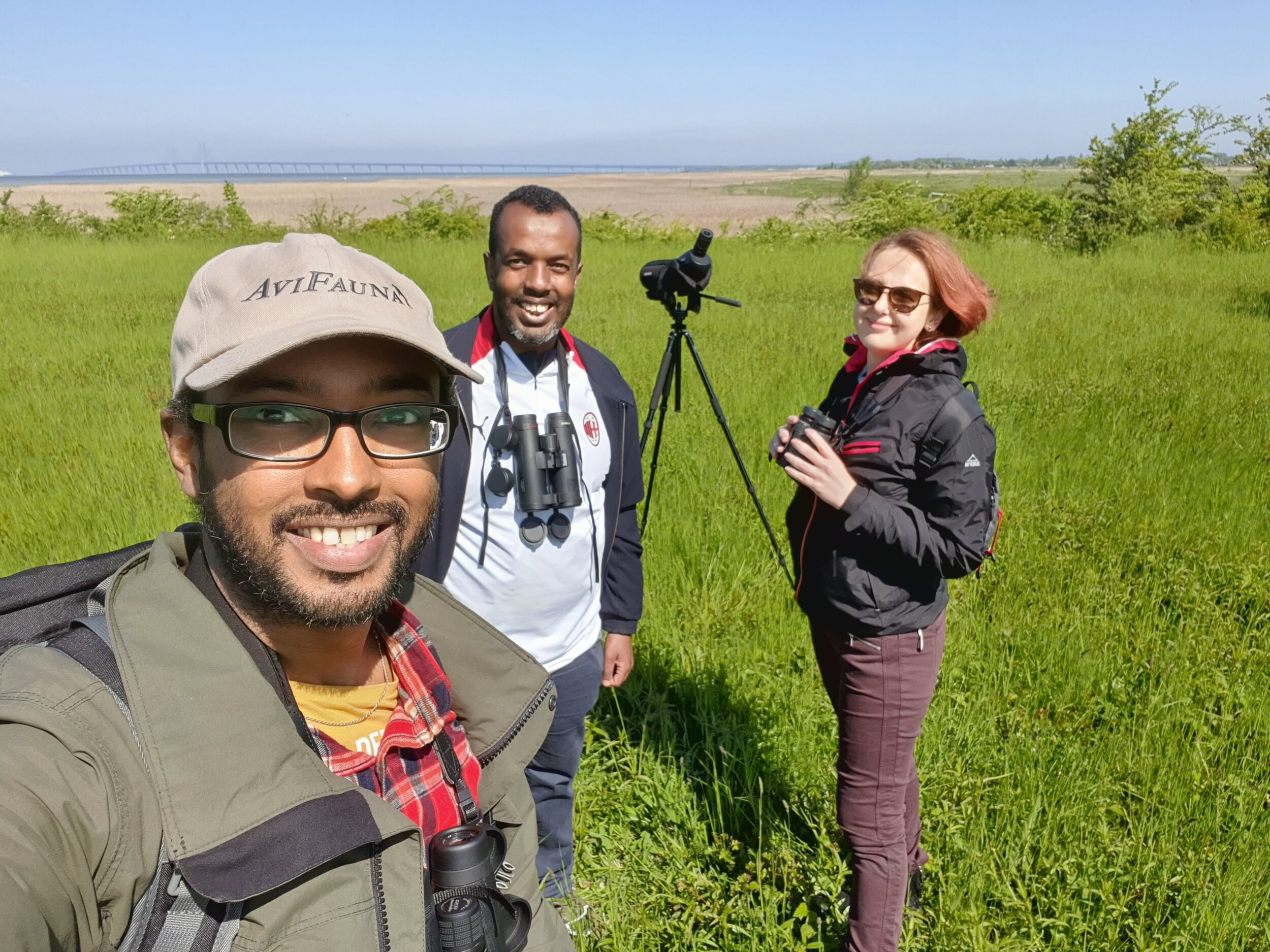
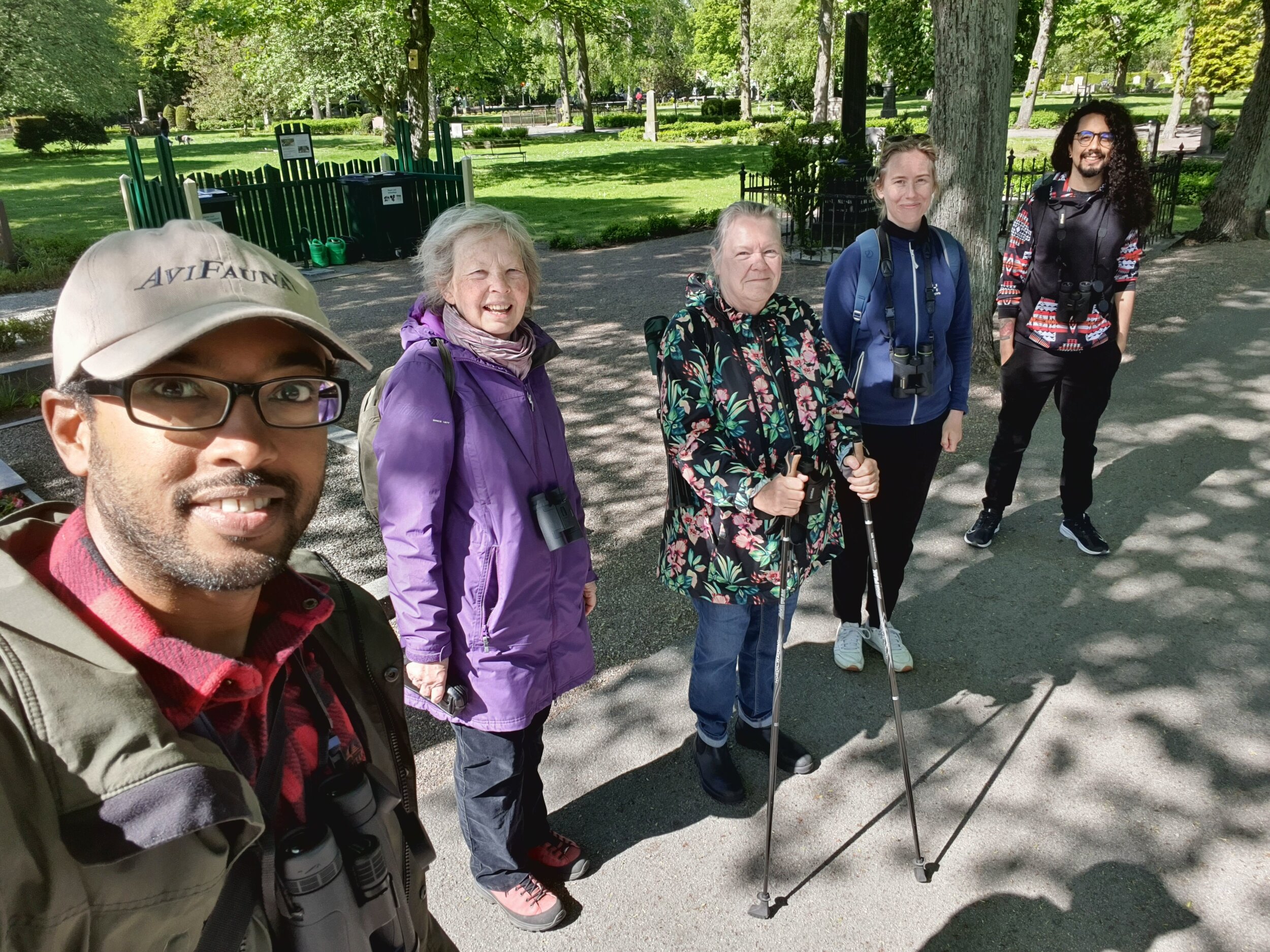
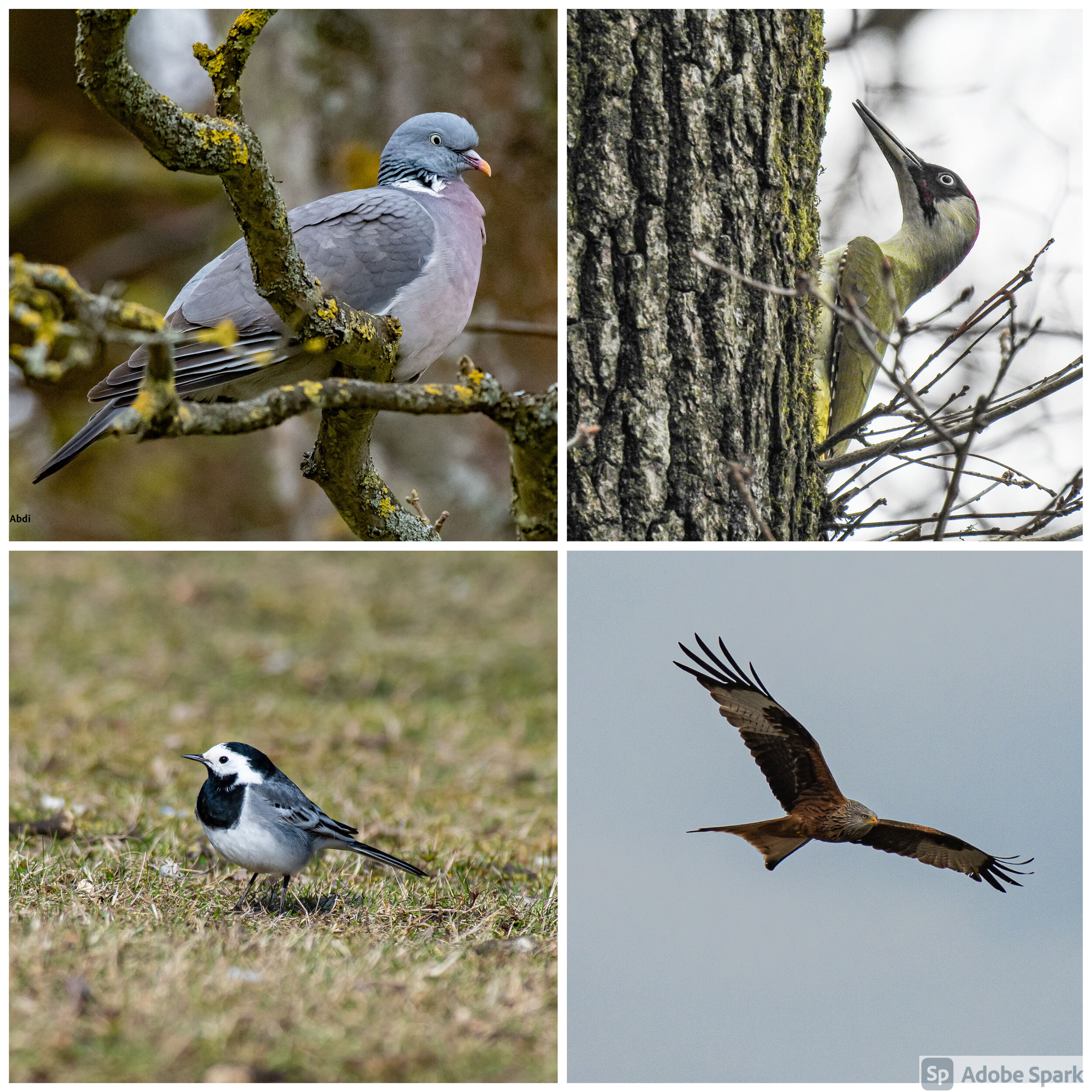
Below are the species we saw or heard during the spring birding walks in alphabetical order.
Barn Swallow / Ladusvala
Barnacle Goose / Vitkindad gås
Black-headed Gull / Skrattmås
Blue Tit / Blåmes
Chiffchaff / Gransångare
Common Blackbird / Koltrast
Common Buzzard / Ormvråk
Common Chaffinch / Bofink
Common Coot / Sothöna
Common Cuckoo / Gök
Common Eider / Ejder
Common Goldeneye / Knipa
Common Greenshank / Glutsnäppa
Common Gull / Fiskmås
Common Kestrel / Tornfalk
Common Linnet / Hämpling
Common Magpie / Skata
Common Pheasant / Fasan
Common Pochard / Brunand
Common Redshank / Rödbena
Common Redstart / Rödstjärt
Common Reed Bunting / Sävsparv
Common Sandpiper / Drillsnäppa
Common Shelduck / Gravand
Common Starling / Stare
Common Swift / Tornseglare
Common Tern / Fisktärna
Common Whitethroat / Törnsångare
Common Woodpigeon / Ringduva
Dunnock / Järnsparv
Eurasian Blackcap / Svarthätta
Eurasian Goldfinch / Steglits
Eurasian Nuthatch / Nötväcka
Eurasian Oystercatcher / Strandskata
Eurasian Reed Warbler / Rörsångare
Eurasian Skylark / Sånglärka
Eurasian Sparrowhawk / Sparvhök
Eurasian Wigeon / Bläsand
Eurasian Wren / Gärdsmyg
European Greenfinch / Grönfink
European Robin / Rödhake
Fieldfare / Björktrast
Garden Warbler / Trädgårdssångare
Great Black-backed Gull / Havstrut
Great Cormorant / Storskarv
Great Crested Grebe / Skäggdopping
Great Spotted Woodpecker / Större hackspett
Great Tit / Talgoxe
Greater Scaup / Bergand
Grey Heron / Gråhäger
Greylag Goose / Grågås
Herring Gull / Gråtrut
Hooded Crow / Kråka
House Martin / Hussvala
House Sparrow / Gråsparv
Icterine Warbler / Härmsångare
Lesser Whitethroat / Ärtsångare
Mallard / Gräsand
Marsh Harrier / Brun kärrhök
Mute Swan / Knölsvan
Northern Lapwing / Tofsvipa
Northern Raven / Korp
Northern Shoveler / Skedand
Pied Avocet / Skärfläcka
Pied Flycatcher / Svartvit flugsnappare
Red-becked Grebe / Gråhakedopping
Red-breasted Merganser / Småskrake
Red-necked Grebe / Gråhakedopping
Rook / Råka
Sand Martin / Backsvala
Song Thrush / Taltrast
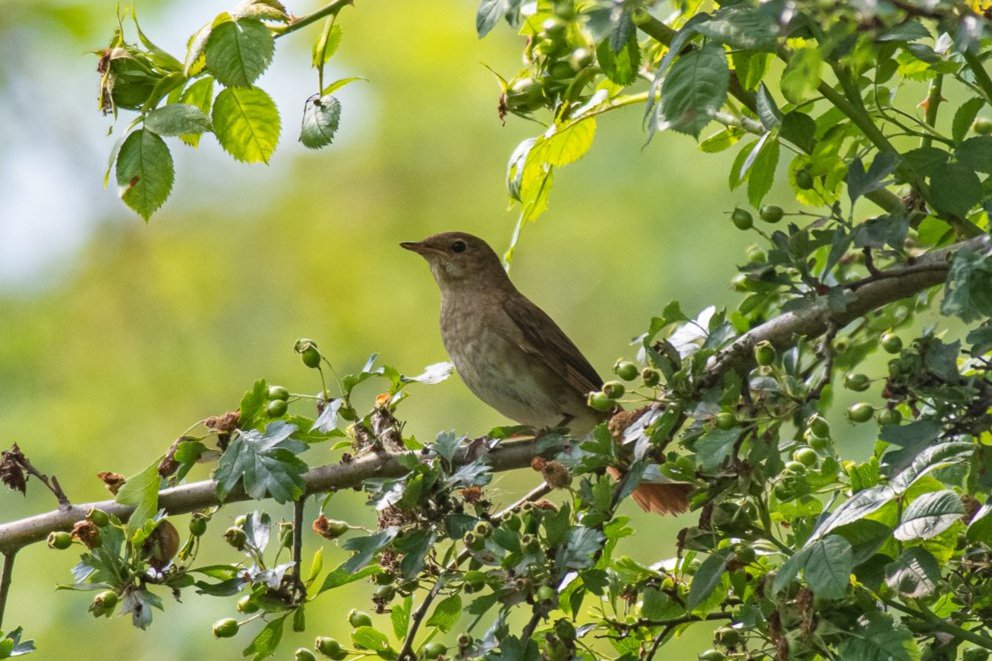
Thrush Nightingale / Näktergal
Tree Sparrow / Pilfink
Tufted Duck / Vigg
Western Jackdaw / Kaja
White Wagtail / Sädesärla
White-tailed Eagle / Havsörn
Willow Warbler / Lövsångare